Haftalık E-Bülten
Moda dünyasında neler oluyor? Yeni fikirler, öne çıkan koleksiyonlar, en vogue trendler, ünlülerden güzelllik sırları ve en popüler partilerden haberdar olmak için haftalık e-bültenimize kaydolun.
Haftalık E-Bülten
Moda dünyasında neler oluyor? Yeni fikirler, öne çıkan koleksiyonlar, en vogue trendler, ünlülerden güzelllik sırları ve en popüler partilerden haberdar olmak için haftalık e-bültenimize kaydolun.
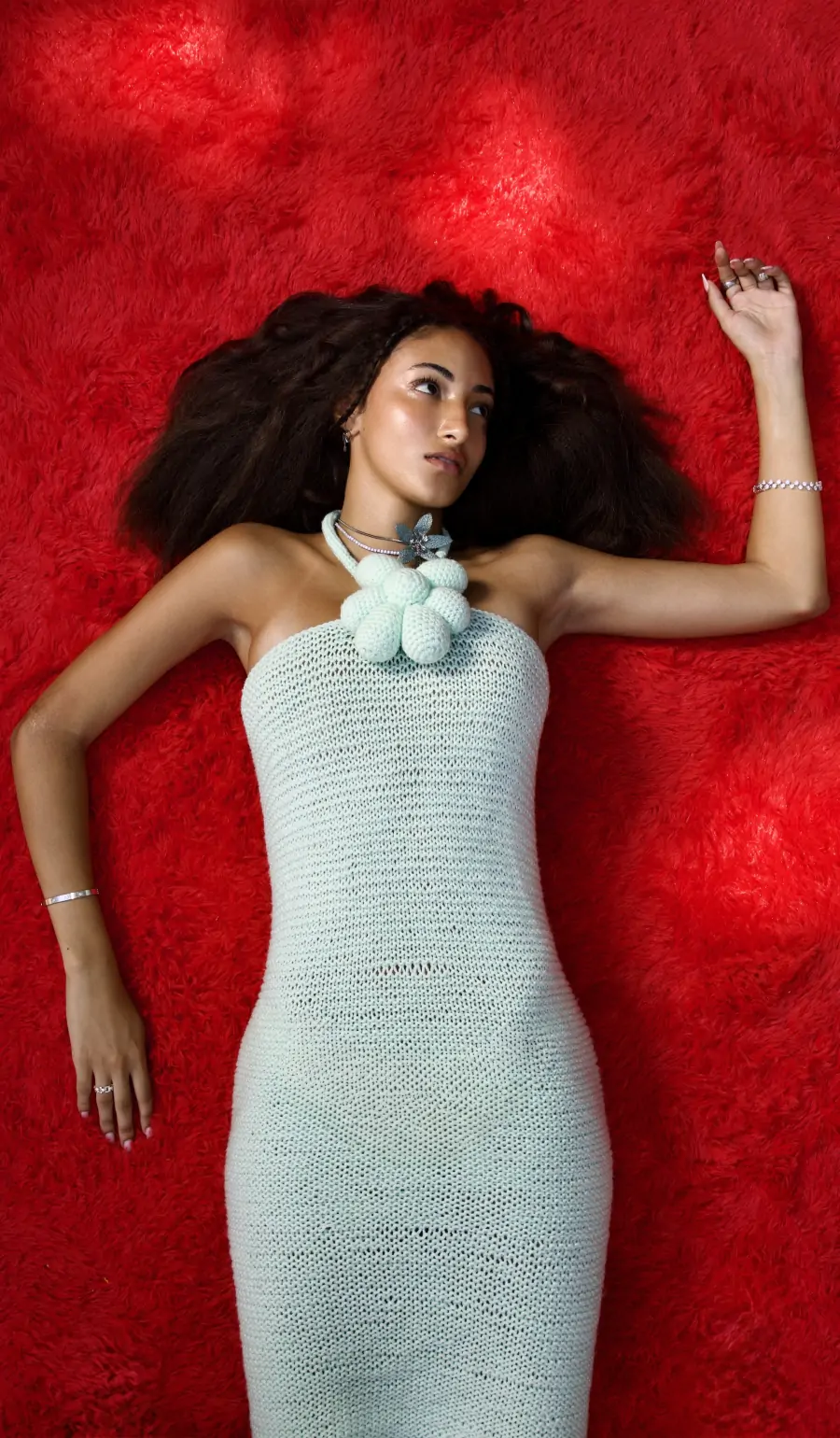
Being a model, in reference to the fashion industry, is a term that many have heard of, but only some understand. While no body-of-knowledge, school of thought, or course of study promulgates any official requirements to fulfilling this profession, many question:
What does being a model mean?
At 17 years of age, Sophia Pippen is a model.
Who is Sophia Pippen?
In her own words, “I am more than just the daughter of Scottie and Larsa Pippen. While my family is a part of my story, it doesn’t define who I am.”
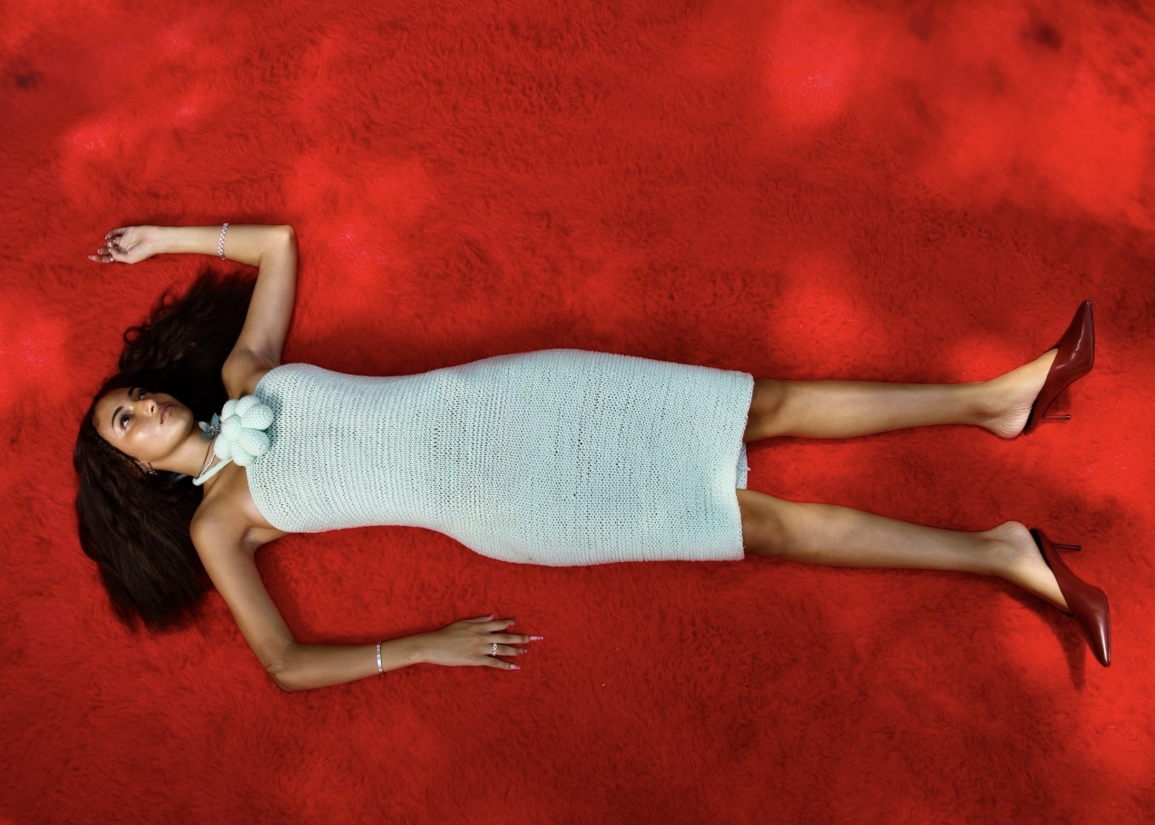
Scottie Pippen is known as one of the most skilled and critical basketball players in NBA and world history. He is a six-time NBA champion title holder and two-time Olympic gold medalist. Until 2024, Pippen was the only player to have won the NBA title and the Olympic gold medal for basketball twice in the same years. He is in the NBA hall of fame, known for his critical role on the Chicago Bulls and other teams.
Larsa Pippen is a television personality known for her image in the public eye as a socialite and brand ambassador.
Sophia says that while being a part of a well-known family opens doors, it also makes her want to prove herself in her own right.
Watching her dad’s discipline inspired her to build her own name and identity, both as a model and as a person.
Within the broader conversation around the modeling profession, Sophia Pippen—born into the industry with an extraordinary background—emerges as a compelling figure. In examining Sophia’s emergence as a model, the work and art of the modeling profession is also observed: defining modeling, developing what makes this craft an art, and explaining why like any art, modeling is a laborious and skillful craft that comprises a greater meaning in the world than what is captured at a glance.
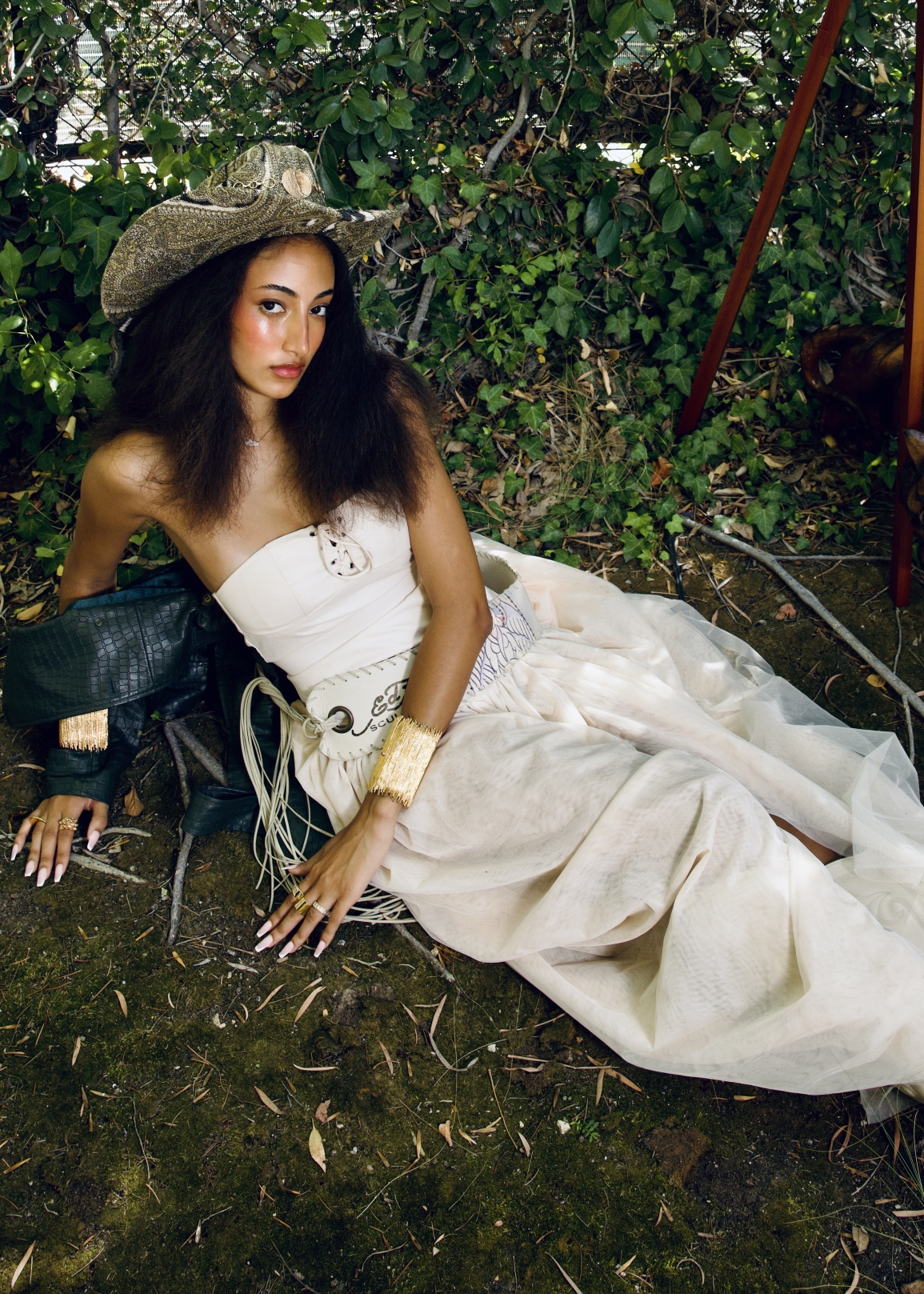
Cameron Russell, a long-time model, activist, and Columbia University Alumna, stated in a Ted Talk that “image is powerful, but also image is superficial.” In an industry presumably based on images, where does one find meaning?
According to Sophia, “modeling started as something based on appearance, but… now it’s much more than that. It’s about expression, confidence, and being able to bring a concept or idea to life. It’s a mix of presence, creativity, and storytelling.”
The word model comes from the Latin root modellus meaning a standard, prototype, or that which something can be measured to. While the implications of this word can cause offense to those who perhaps feel they do not define the term in the human form, the word brings the reader closer to understanding the work and art. A standard is typically the base from which one can vary. While models are on average tall and thin, they are not meant to represent every variation of the male and female body that may exist in society. They are simply meant to represent an example that may vary just as a model created in any industry does. The difference in human fashion modeling is that beyond representing a baseline, the human fashion model also offers an artistic interpretation of life, which can manifest into an infinite number of expressions.
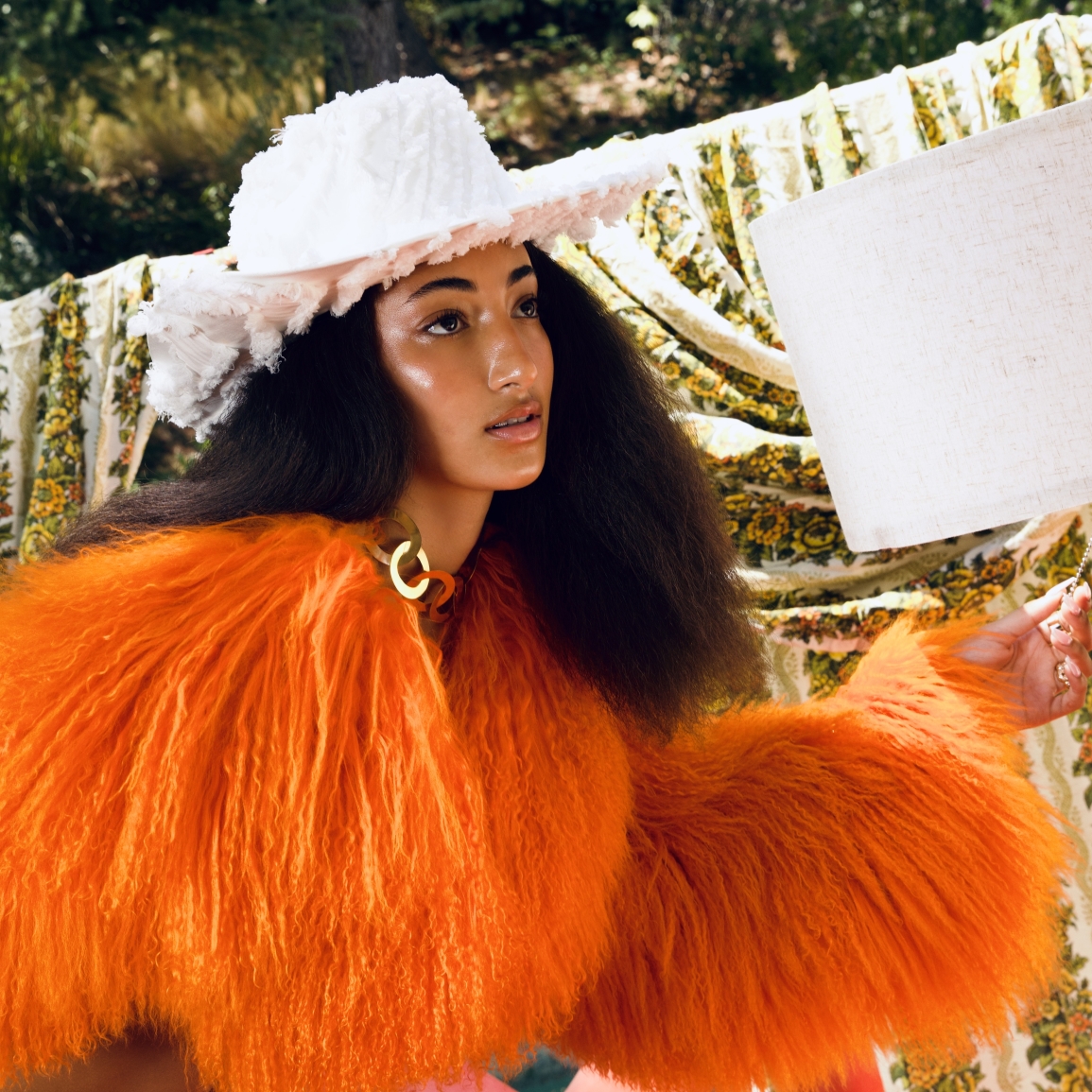
Using Sophia’s definition, “art is any way of expressing something real—whether that’s emotion, identity, or a message. It doesn’t have to follow rules, it just has to mean something.” One of the first ever recorded human fashion models of the West was Marie Vernet, wife of Charles Worth of the House of Worth fashion house. Worth, a couturier from England who moved his business to Paris, France in 1858, opted to use his wife as the model as opposed to the commonly used miniature doll models (João et al., 2018). In the early 1900s, Lady Duff Gordon followed Worth’s trend of using human models but elaborated on the concept by adding music to the background while the models displayed fashion designs on a raised stage. She pioneered the strategic fashion audience, only inviting guests of interest like potential buyers. Lady Duff also gave artistic significance to her human models by giving them each poetic names. Her actions gave way to the modern day fashion parade or fashion show (Schweitzer, 2008). Paul Poiret furthered these attributes by altering the space used for the fashion show, using an open space with guests seated along the walls of a room while models moved around the open area (Troy, 2002). Poiret adapted Gordon’s invitation system, but included photographers to the guestlist, which gave way to modern-day fashion photography (Bolton, 2007). Eleanor Lambert organized the first “Press Week,” which extended invites to magazines and publishers, who would publish the images the photographers would take of the models (Voss, 2021). This press week later became New York Fashion Week, giving way to all major fashion weeks in the West. Ultimately, from its inception modeling has been an artistic display of fashion delivered, in modes of still, video, and live presentations, to attract more consumers by appealing to their emotions.
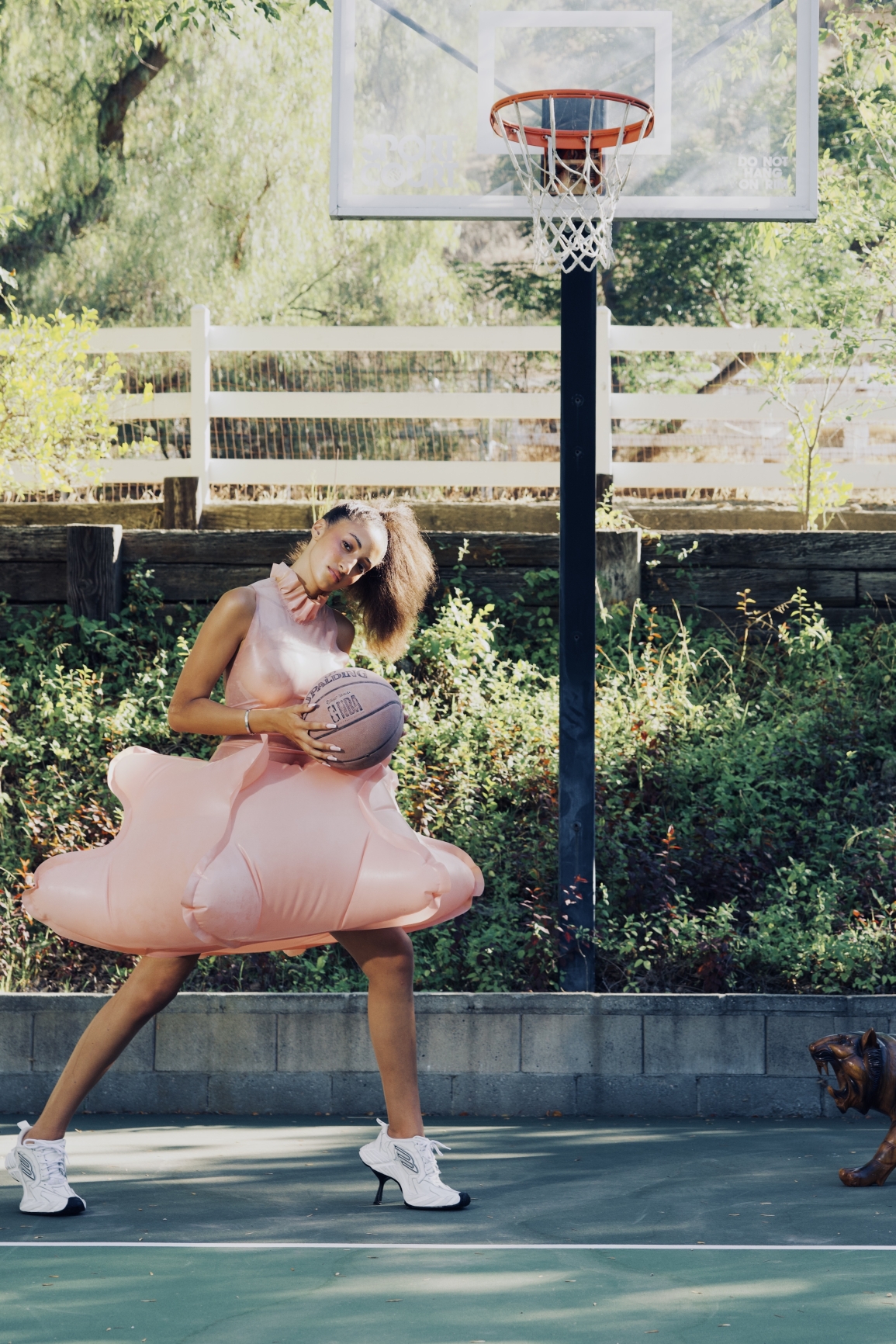
Sophia states, “modeling becomes art through how you express emotion, movement, and energy. The model plays a big role in creating the final image.” Models being the main modes of delivering such art have become the muses of the fashion industry. When asked what designer she would like to be the muse of, Sophia responded that she “would want to be the muse of a designer who sees fashion as more than clothing—someone who uses it as a form of expression and storytelling.” Sophia is drawn to creatives who push boundaries and create work that feels intentional and emotional, because that aligns with how she sees modeling evolving. “Collaborations bring fresh energy into the fashion world because they mix new ideas with new voices,” she says.
In 1924, Jean Patou furthered the concept of model selection by deciding to use women that the consumer he marketed to could identify with in order to increase his sales (Evans, 2008). Prior to his selection of models, models were typically women from the poor class used for menial forms of labor. However, Patou decided to use tall and lean American women who resembled women of the American class to enable his French couture to appeal to the American consumer (Cherry, 2007). In the 1920s, Coco Chanel modeled her own designs (Botelho, 2024), creating pieces for a woman like herself who she deemed was independent, active, and free (Smith et al., 2013).
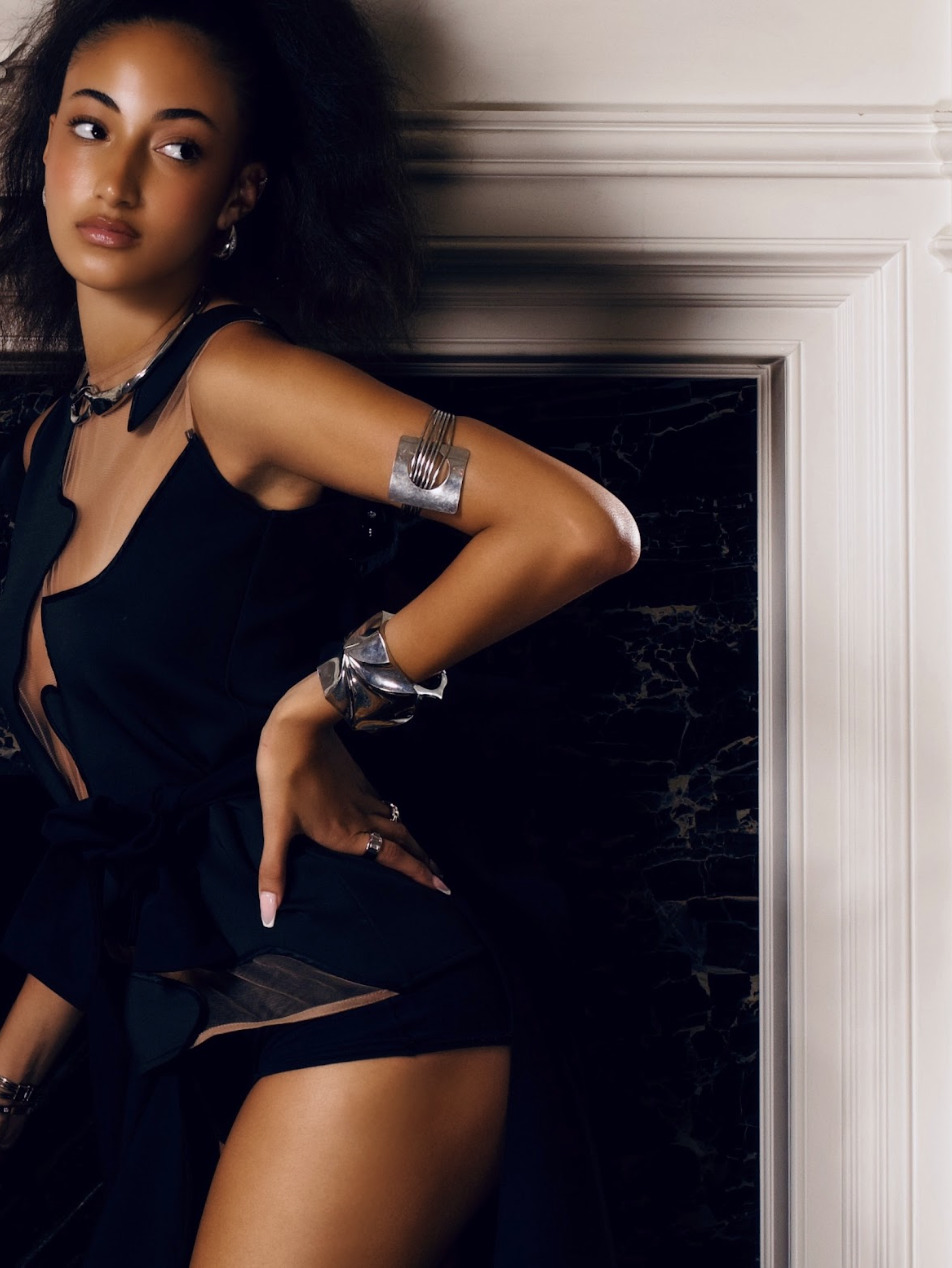
The model Sophia Pippen most identifies with is Bella Hadid. She says “especially because of her family background and how she grew up in the industry. I relate to starting at a young age and being around that environment early on. What I respect about her is how she’s been able to evolve beyond just her appearance and develop a strong presence and identity in her work. That kind of growth and self-definition is something I connect to.” Sophia would also “love to meet Zendaya. She’s an amazing actress, a style icon, and she handles herself with so much grace. She would have so much wisdom to share.”
Thus, the model is not only meant to function as a muse of the artist, who in the case of the fashion industry is the designer, hairstylist, makeup artist, photographer, videographer, stylist, manicurist, and/or any creative who uses the model to present his/her work, but must also become the muse of the consumers who must feel that the model represents themselves or embodies a new self that they would like to become.
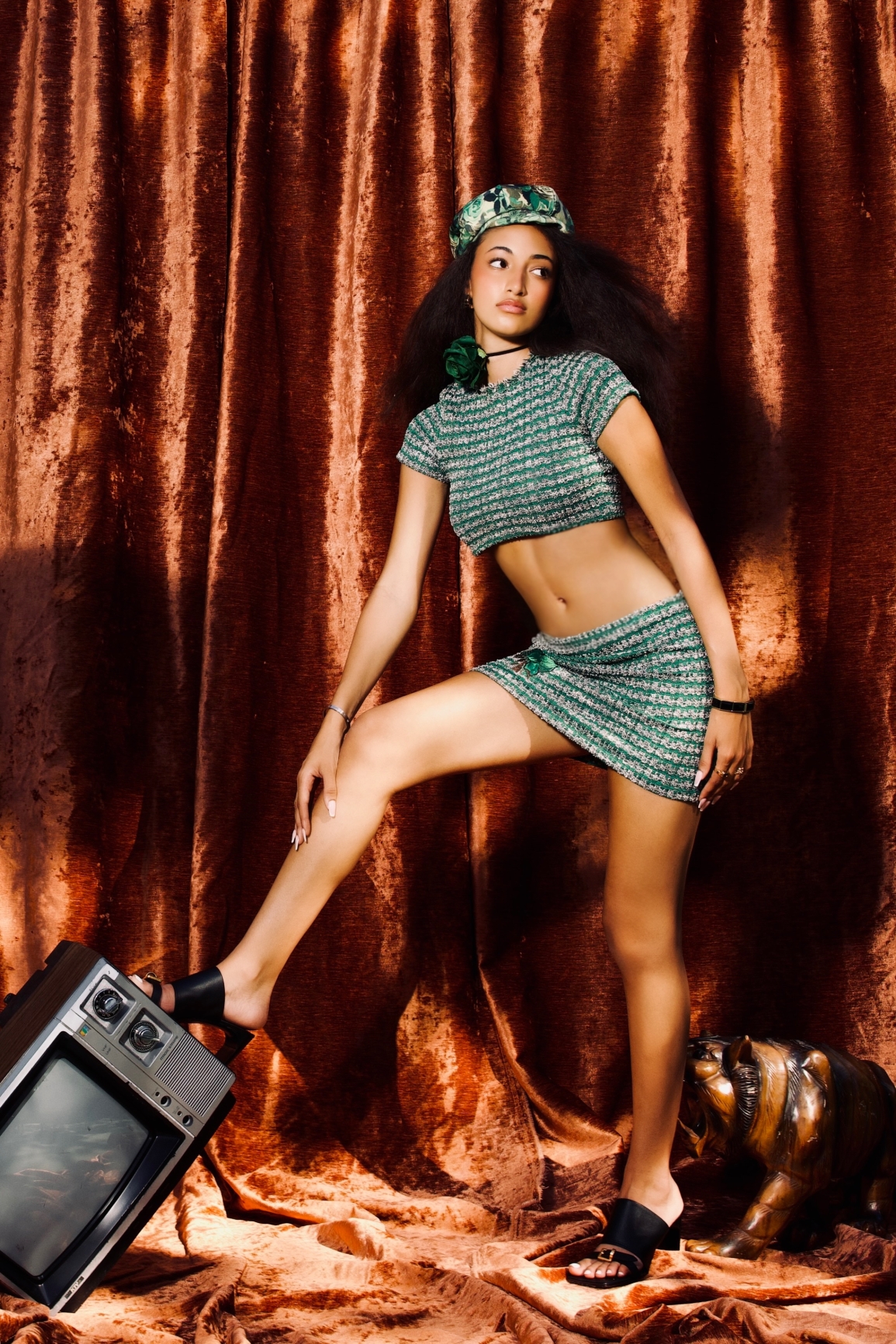
Defining modeling through the work gives greater insight into what modeling actually means. Up until this point, modeling has been taken from the artist’s perspective. The model's perspective offers a different view. Studies of modeling frequently begin with the Worths, Gordons, and Poirets, regarded as the pioneers of the western fashion industry. However, what did Marie Vernet, Kathleen Rose Dolores, Lisa Fonssagrives, and other fashion models have to say about their occupations?
Sophia Pippen started modeling when she was around 4 years old. Since she started so young, she says her earliest memories are just being on set. At first, she didn’t fully understand, but as she got older, she realized how much she enjoyed being part of something creative and how modeling allowed her to express herself. But what is working as a model actually like? According to Sophia, who has worked on a range of editorials and has had experience walking in runway shows, being part of different creative projects has allowed her to understand how to adapt to different concepts and bring something unique to each shoot or show. Sophia says, “the most rewarding part has been seeing how much I’ve grown since I started modeling... I’ve become more confident in myself and more comfortable expressing who I am. It’s also rewarding to be part of something creative and see the final result of a shoot come together. The most difficult part is that modeling is very based on appearance, which can make it easy to compare yourself to others. I’ve had to learn how to stay confident and focus on my own growth instead of outside pressure.”
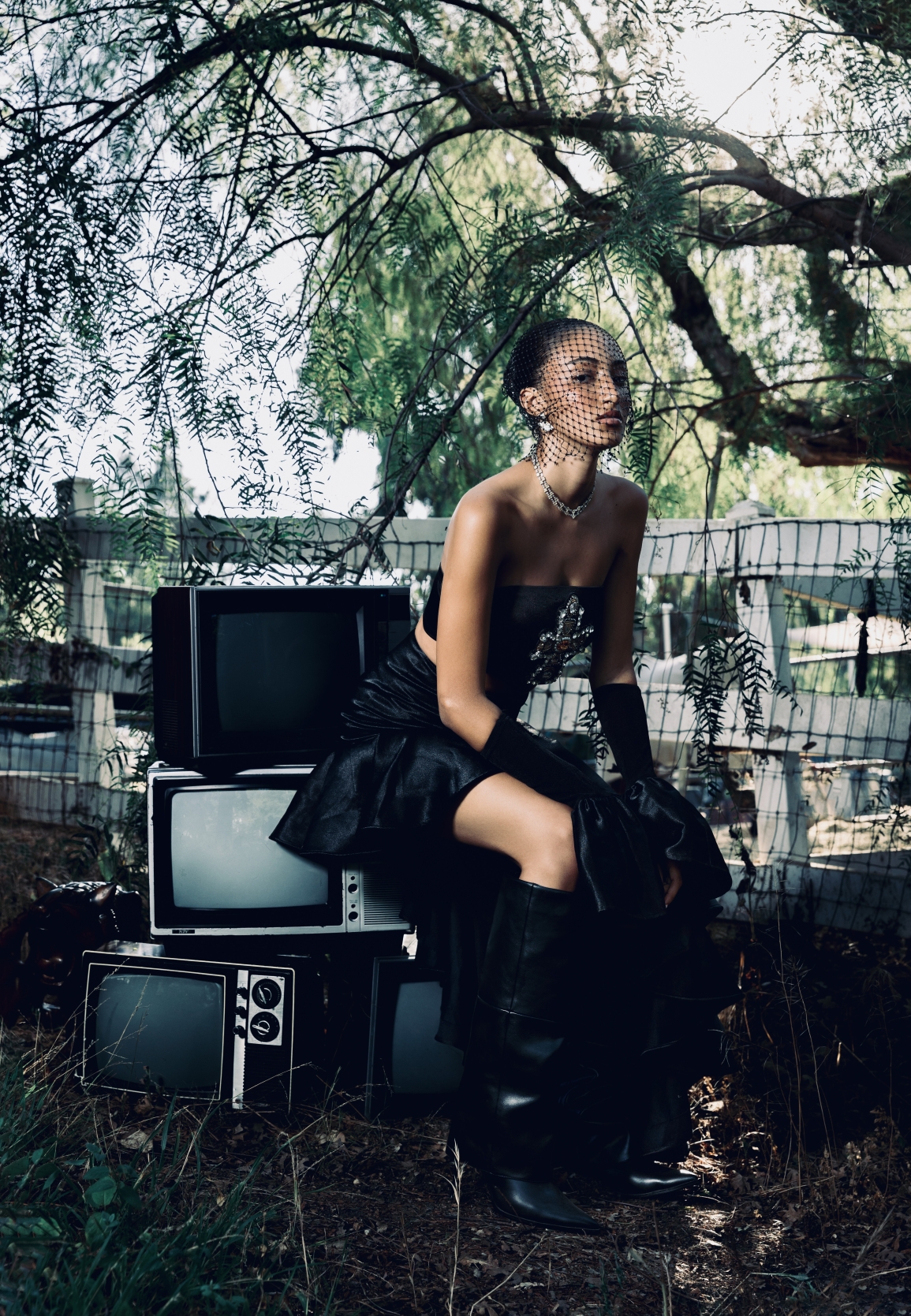
While Lady Duff Gordon made models celebrities through her artistic and poetic presentations of them, modeling did not become more than a form of menial labor until the 1990s (Cherry, 2007), which many regard as the Era of the Supermodel. In this era, the model’s job became more consistently composed of maintaining an appearance and size acceptable to clients, and executing runway shows, photoshoots, video shoots, and other live fashion presentations. While easily simplified, that is not all modeling is.
For Sophia, a typical day of modeling starts with preparation, getting ready, and understanding the concept of the project. Once on set, she works with photographers and creatives, takes direction, and adjusts her poses and expressions. “It can be long and tiring, but it’s also very focused and creative.”
The model’s work starts long before she is booked. The most difficult part of a model’s job is not the photoshoot, runway show, or presentation, it is the preparation leading to said jobs, which are the result of bookings. A model must go through rigorous and intensive development in order to be refined enough to obtain bookings. This consists of strict health and lifestyle regimens typically monitored by licensed physicians and professionals.
How does a model maintain her career? Sophia states that one thing her family has always instilled in her is to stay focused and never get too comfortable. She always reminds herself to keep working, stay humble, and prove herself through her actions.
The model’s job is full-time, not because of how often she is booked but because of how much she needs to work on herself in order to get booked. When a model is finally selected for a job she must demonstrate professionalism and also deliver artistically and creatively what each job seeks to achieve.
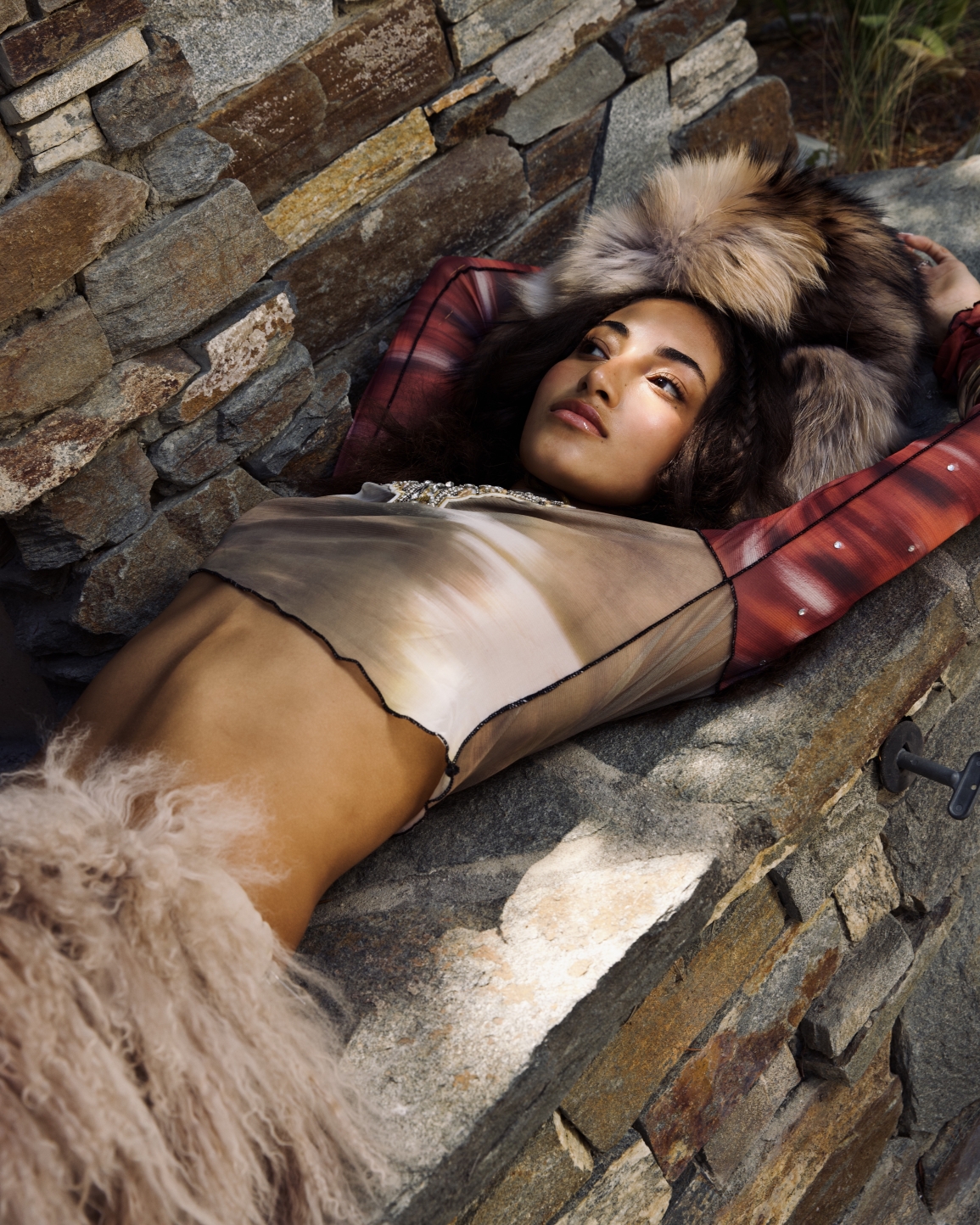
Sophia says, “the most invigorating part of a job is when everything starts to flow and I feel fully in the moment. When the energy is right and the shoot is going well, it feels exciting and creative.” Through displaying the desired artistic interpretation the client books a model for, models build their reputation and portfolio, which helps more clients book them in the future. But when do models get to choose? Many wonder if being a model entails always doing what one is told, with no say in the matter. However, the model always has a choice, and Sophia chooses when deciding what projects to complete. She has confirmed that as she has grown she wants “to move toward a more conceptual and expressive direction, where modeling becomes more about storytelling and emotion.” Sophia is interested in work that feels cinematic, creative, and intentional—something that goes beyond traditional modeling and into art. Sophia states, “working with Chez Les Mannequins was amazing because it gave me the chance to be creative in ways that felt personal and fun. It’s those kinds of projects that help shape the future for the next generation.”
After the work is done, Sophia highlights that “recovering is more about resting and resetting.” She states that in her personal regimen, after a shoot, she takes time to relax and reflect on what she did well and what she can improve.
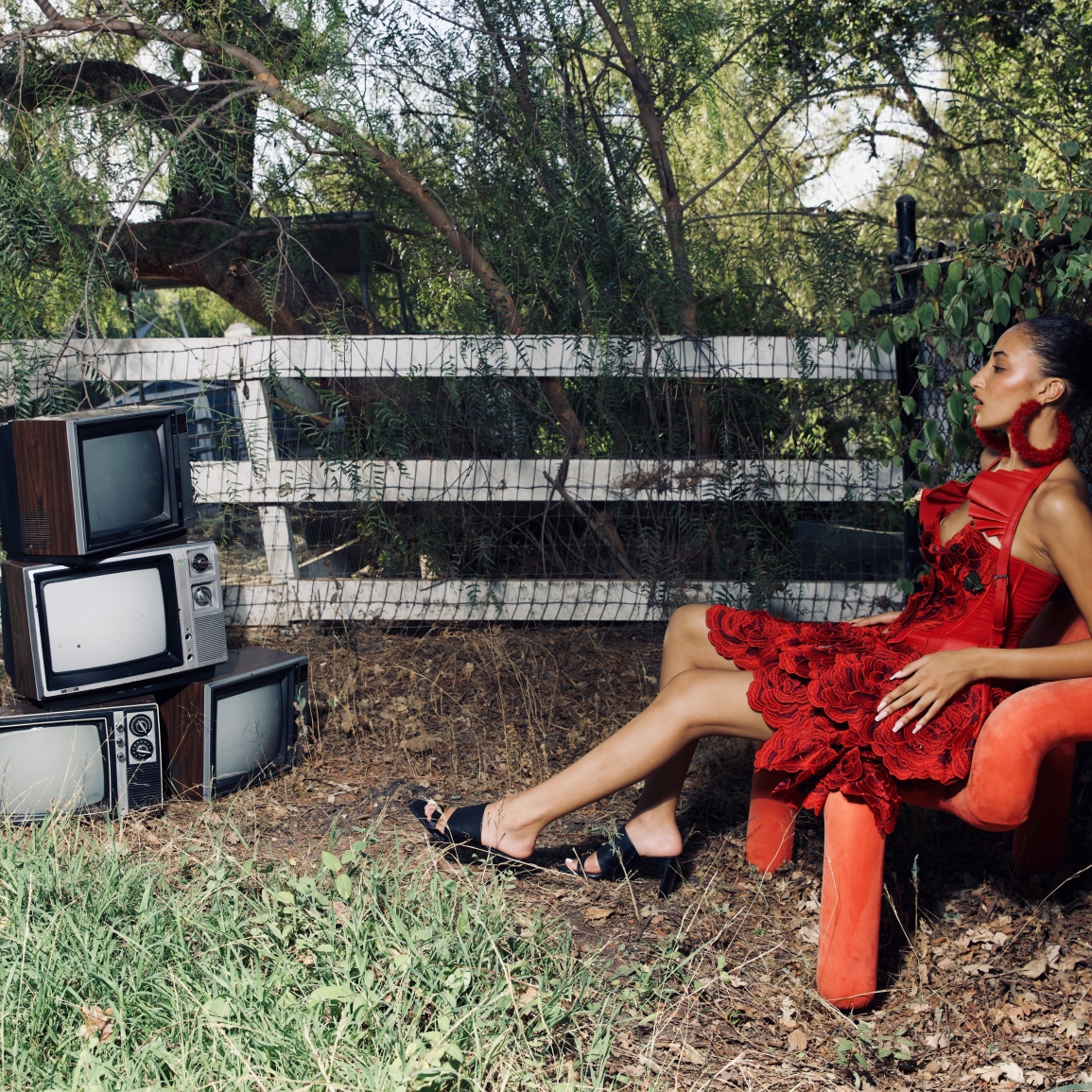
In the film Mona Lisa Smile, a professor asks her students (in a desperate yet demanding moment to provoke them to represent an unspoken protest of the present day oppressions in society by simply adjusting their actions to reflect the change she wishes they will be) “What will the future scholars see when they study us?”
Models have the potential to make history and influence change. What do they hope future scholars see when they study them? Sophia states, “I hope they see someone who grew from starting at a young age into someone who used modeling as a way to express more than just appearance. I want to be seen as someone who brought confidence, creativity, and individuality into my work. I just hope I can look back and feel like I actually did something meaningful with my life. Not just like, “oh I modeled,” but more like I used that as a starting point for something bigger. I want to feel proud of the impact I had, not just how things looked on the outside.” Sophia says, “beyond modeling, I definitely want to build something of my own—whether that’s a brand, a business, or even just a platform where I can help other girls feel confident and seen. I don’t want my career to stop at just photoshoots. I want it to grow into something that actually helps people.”
While modeling started as a menial form of labor, the passion and inspiration models evoke from their audience with their performance has moved models to the center of the fashion industry. That passion moves the audience in whatever direction the message suggests.
Models who have used their influence for activism and ethical change, include Christy Turlington, Joan Smalls, Cameron Russell, and Adut Akech among many others.
Sophia, who also hopes to contribute to positive change, states, “through my work, I’d want people to feel something deeper than just “that looks nice.” I’d want them to feel seen, or inspired, or even just more comfortable in their own skin. Fashion should represent everyone — different cultures, body types, and perspectives. I think it’s so important for young creatives to highlight mental health and body positivity because people my age are growing up with a lot of pressure. When fashion celebrates diversity and wellness, it inspires people to feel comfortable in their own skin. I also look up to young women in fashion and entertainment who aren’t afraid to speak up. They’ve taught me that success isn’t just about fame — it’s about staying true to who you are.”
While many presume modeling and the fashion industry to be capitalistic sectors outputting goods and services that harp on the insecurities and unattainable vain aspirations of its consumers, activism, protest, and advocacy projects prove this industry to be much more.
Sophia says “fashion has definitely been used for protest. Designers and brands have used their collections to speak on social issues, and even simple things like what people choose to wear can send a message. It’s actually really powerful when you think about it. I think fashion helps create change because it reaches people so easily. Everyone sees it, everyone interacts with it in some way, so it can start conversations and bring attention to things that actually matter.” But all change is not good or able to exist within one realm of the dichotomy that is good or evil. As ethics are in life, the ethics of art including that of the fashion industry have become subjective. So how does one objectify the ethical impact of the modeling profession and fashion industry? Sophia asserts, “for modeling and fashion, I really hope [change] becomes more real. Like, less pressure to fit into one specific look and more acceptance of different types of beauty. I feel like it’s getting better, but I’d want it to be genuinely inclusive, not just when it’s trending. In the world overall, I just hope people are more accepting and less judgmental. I feel like so many people compare themselves constantly, and I’d love to see a shift where people are more confident in who they are without feeling like they have to change. If anything, I’d want to be known for standing up for that—like pushing against unrealistic standards and reminding people they don’t have to fit into a box to be valued. Just being real and using my platform in a positive way.”
Fashion, a multi-billion dollar industry with undeniable pros and cons, is one society cannot go without. The need to wear clothing has almost existed since the beginning of time. As climate changes, social norms, and political reforms continuously evolve, the fashion industry moves concurrently. While world changes spur unrest, dissension, and opposition—as well as opportunity, unity, and peace—fashion holds equal potential, mirroring life’s pivotal moments, good or bad.
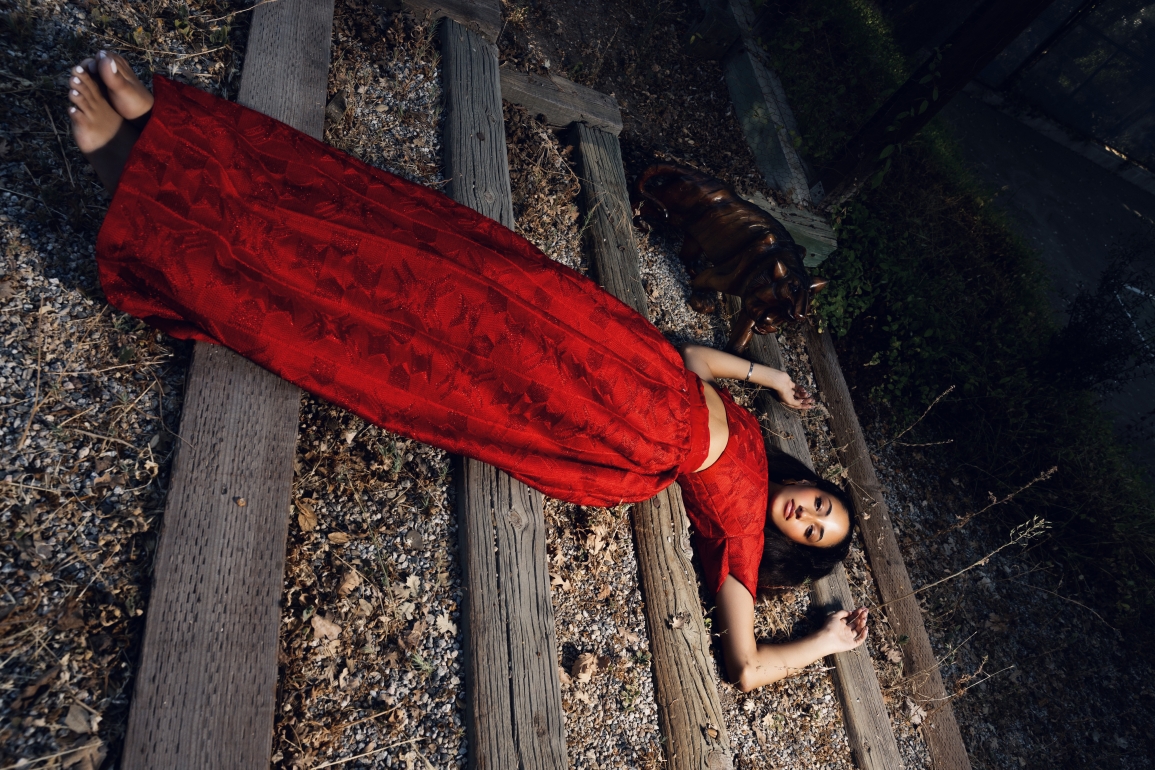
Wherever one has life, one has art. Wherever one has art, one has life. Whenever one creates art, one bears the potential to influence change. Fashion and modeling being a form of art have proven to do just as such.
Sophia Pippen comes from a family that has demonstrated what rising in the face of adversity is. Inspired by her father’s discipline and work ethic and her mother’s strength and independence, Sophia Pippen’s rise starts now. Facing a different kind of adversity resulting from the opportunities she’s been given through her family name, Sophia Pippen endeavors on this journey alone, aiming to redefine the definition of a model through her work, art, and the history she hopes to make.
Creative Direction/ Production: Karine Charlemagne @k.c.picto_films & Chez Les Mannequins @chezlesmannequins
Focus Subject: Sophia Pippen
Brands: Nastya Nekrosova @nastyanekrasovadesign, FGMBespoke @fgmbespoke, Tabbe Designs @tabbe_designs, Willow Bean @willowbeanstudio, Any Shape Official @anyshapeofficial, Truly Debonaire @trulydebonaire, Icel NewYork @icelnewyork, Rajeev Fernando @rajeevfernandomd Nazzy Brand @nazzy.brand_, Fort Mose 1738 @FortMose1738, Jalina Lu @jalinalu
Hair and Make up: Riley Campbell @cakedupwithriley
Photography: Roberto Ligresti @roberto_ligresti_studio, Magda Gamereklidze @mag._g
Stylist: Jill Bottcher @she.clothes.minded
Set Designer: Angel Johnson Knorr @angeltailan
Digital Tech / Lighting Specialist: Vin Stratton @vin.stratton, Cameron Perry, Daniel Ra, Devontae Coleman