Haftalık E-Bülten
Moda dünyasında neler oluyor? Yeni fikirler, öne çıkan koleksiyonlar, en vogue trendler, ünlülerden güzelllik sırları ve en popüler partilerden haberdar olmak için haftalık e-bültenimize kaydolun.
Haftalık E-Bülten
Moda dünyasında neler oluyor? Yeni fikirler, öne çıkan koleksiyonlar, en vogue trendler, ünlülerden güzelllik sırları ve en popüler partilerden haberdar olmak için haftalık e-bültenimize kaydolun.
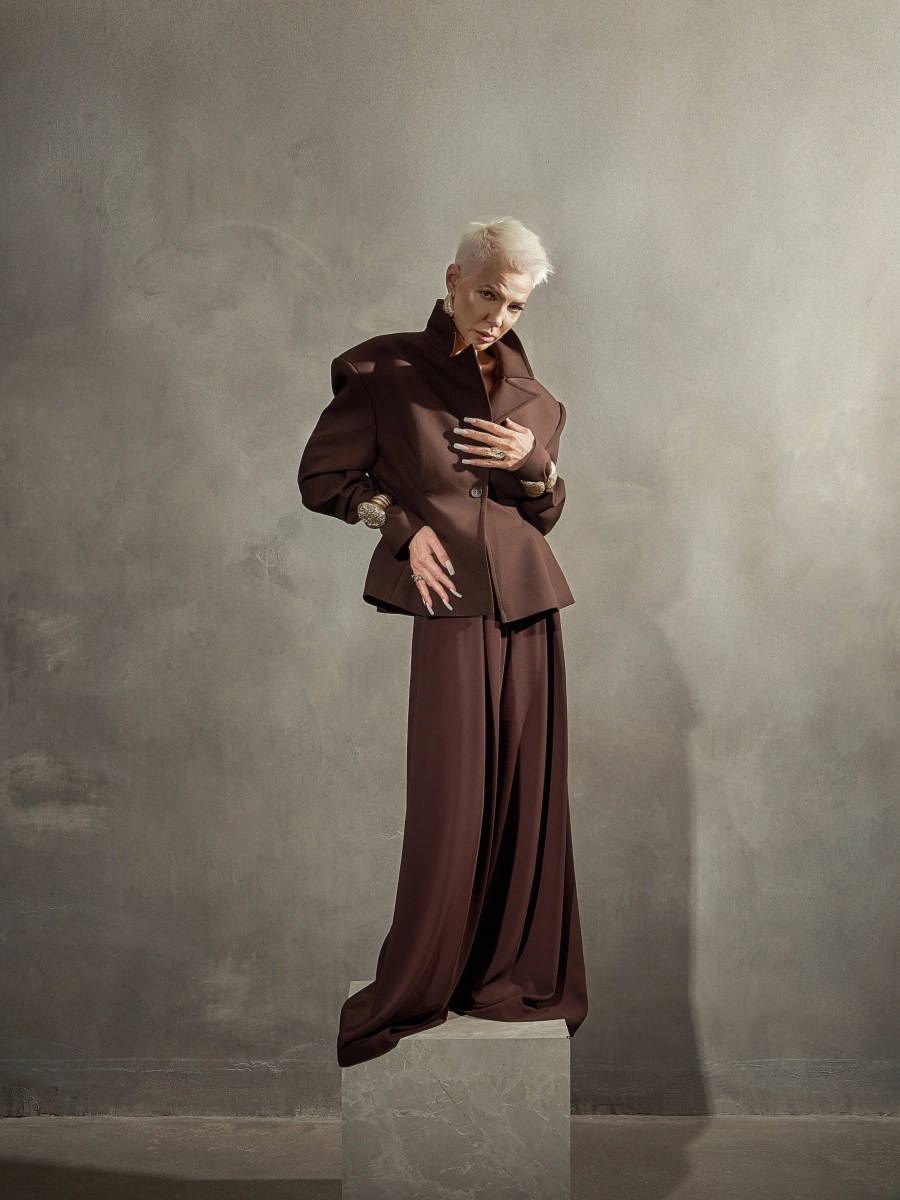
Fashion conversations often orbit around spectacular moments: runway debuts, viral editorials, the instant alchemy of makeup and light. Yet the industry’s real pulse beats in the quieter spaces: the way people dress when no one is watching, the emotional choreography behind editorial work, the evolution of personal identity through fabric and form. Across the last decade, this relationship between individuality and visual culture has grown sharper. Studies from the British Fashion Council note a significant rise in consumers gravitating toward “quiet expression”, clothing rooted in identity rather than trend cycles. Oversized silhouettes, muted palettes, and gender-neutral shapes have all surged, particularly among younger audiences seeking a form of minimalism that still speaks loudly.
This shift has influenced everything from street style reports to luxury market forecasting. A 2024 McKinsey analysis found that searches for “monochrome minimalism” and “oversized tailoring” reached their highest point in the last five years, marking a steady departure from the maximalist wave that dominated the late 2010s. The aesthetic has become synonymous with intentionality — an ethos that sits at the center of Irina Skoral’s world.
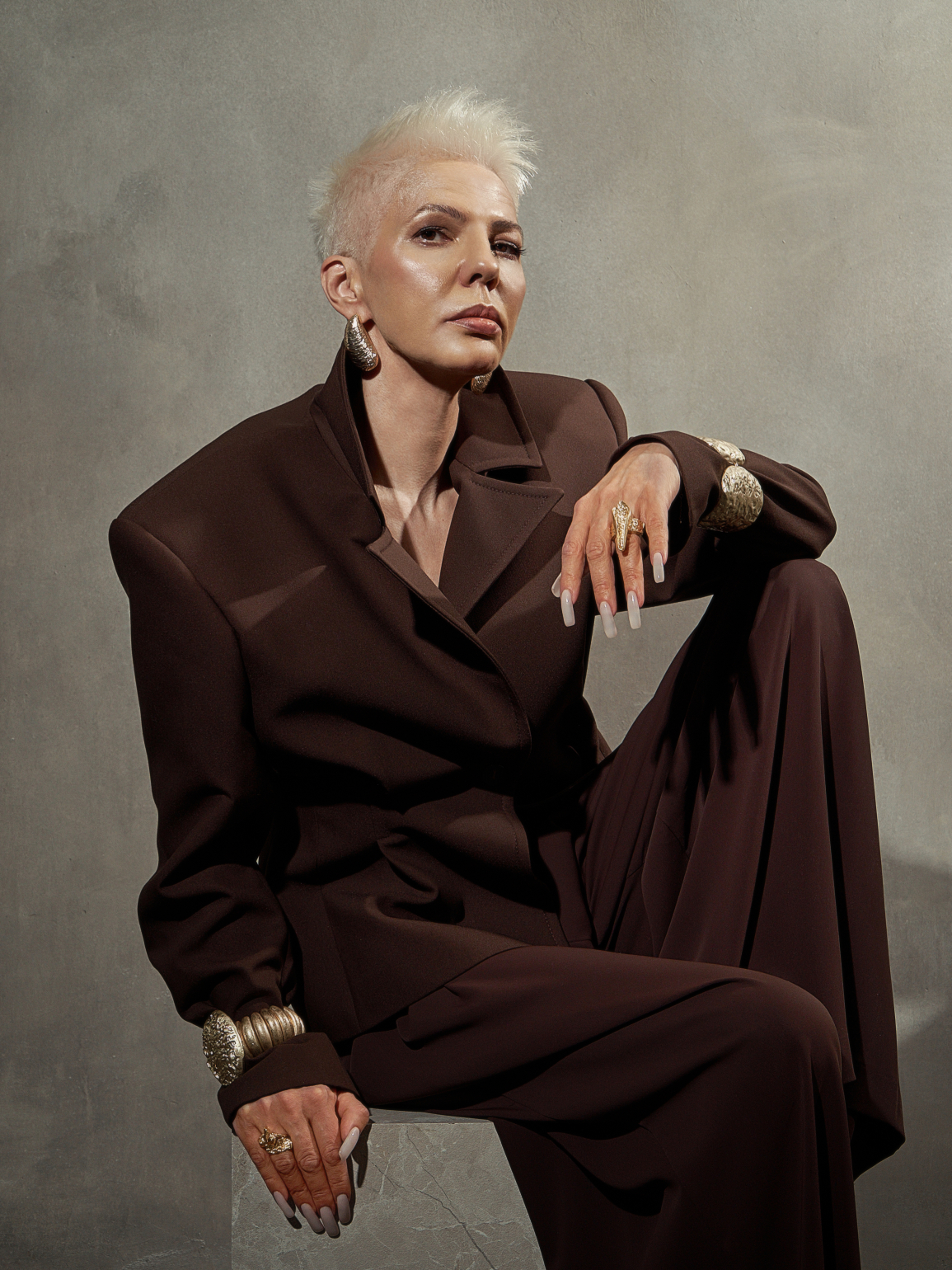
Skoral, who has appeared in publications from Moscow to international magazines including The Voice Mag Russia, has built her identity not on spectacle but on selective clarity. Her work reflects the current cultural appetite for authenticity, yet she approaches it not as a strategy but as a lived experience. When she recalls the moment she first understood the power of style, it wasn’t a fashion show or an iconic photograph that changed her perspective, but something far more intimate: the reaction to simply dressing differently. Growing up in a place where practical, dark clothing was the norm, she once chose lighter tones, and immediately saw how clothing, even in its quietest form, could shift how people perceived her. “By going against the common style,” she says, “you spark interest not only in your outfit, but in your personality.”
Her interpretation echoes a larger cultural pattern: fashion not as performance, but as language. In regions marked by cold climates and austere dressing habits, lightness becomes a whisper of rebellion. This is especially true across parts of Eastern Europe and Russia, where utilitarian aesthetics historically overshadowed individual experimentation. Skoral’s instinctive decision to step outside that palette mirrors the subtle defiance seen in contemporary fashion movements, a push toward personal codes rather than imposed ones.
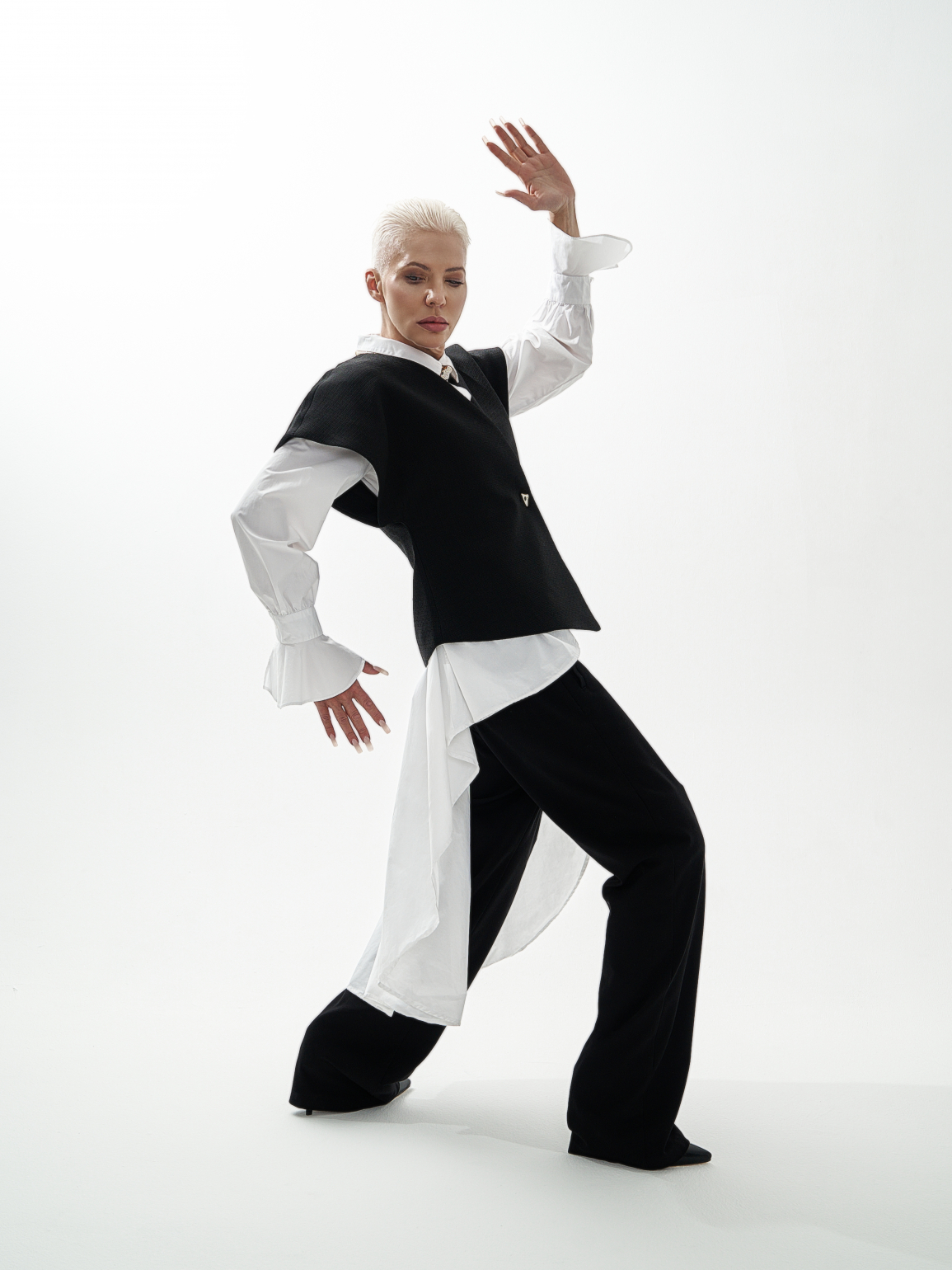
Her professional path follows the same rhythm. The modern editorial landscape is collaborative by nature; a single image is the result of photographers, stylists, makeup artists, and creative directors building a shared vision. For Skoral, the most influential part of her career has been this collective creation. She describes each shoot as “a team of experts working together,” emphasizing the necessity of embracing multiple perspectives to refine an idea into something greater. It’s an insight that aligns with the industry’s pivot toward multidisciplinarity, where models are valued not only for presence but for intuitive understanding of aesthetics, mood, and movement.
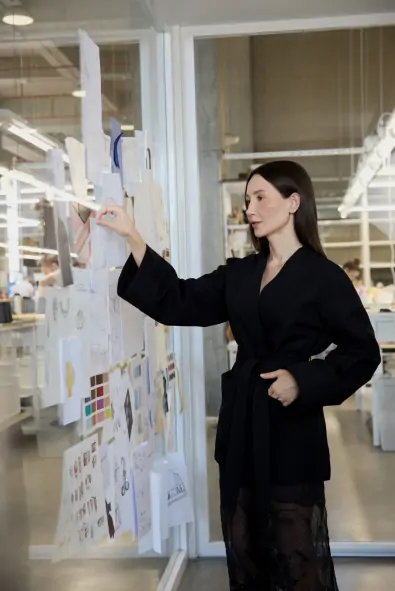
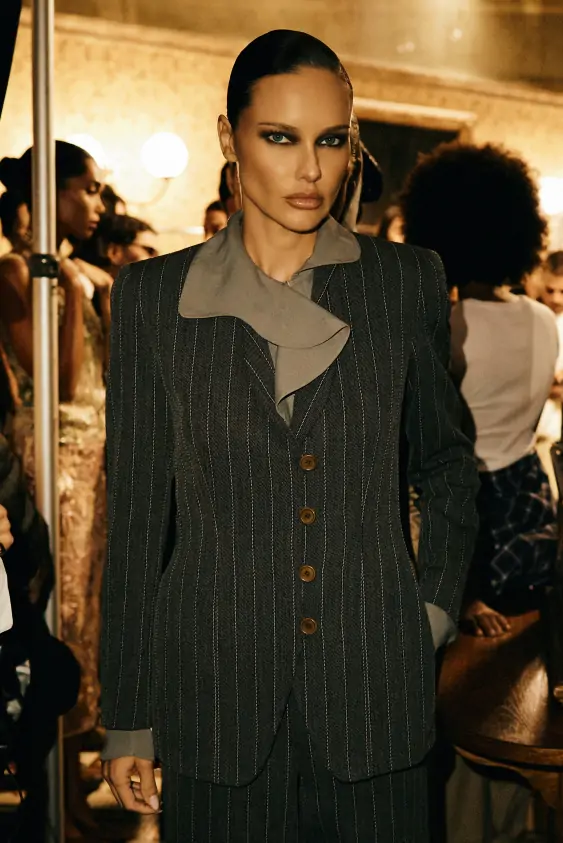
Her personal aesthetic (oversized silhouettes, clean lines, muted tones) offers another layer to her creative identity. It places her within a global conversation that has redefined contemporary femininity. The rise of androgynous tailoring, the return of structured minimalism, and the renewed focus on longevity in fashion all echo through her choices. For Skoral, this aesthetic is less about trend and more about autonomy. She gravitates toward pieces “borrowed” from menswear because they signal freedom: freedom to say no, to set boundaries, to resist being placed into overly ornamental molds. “Your outfit influences how people perceive you,” she notes. “If you’re dressed in something pink and whimsical, your words will also be interpreted through that playful lens.”
Minimalism, in her case, becomes both armor and amplifier.
And yet, even the most defined personal style evolves through anchors — pieces that travel with someone through years, locations, and emotional milestones. For Skoral, these anchors come in the form of shirts and suspenders. They are timeless, adaptable, and symbolic, introduced to her by someone meaningful, and now functioning as a kind of talisman. These small details reflect a broader truth in fashion: garments gain significance not from price or novelty, but from memory and continuity.
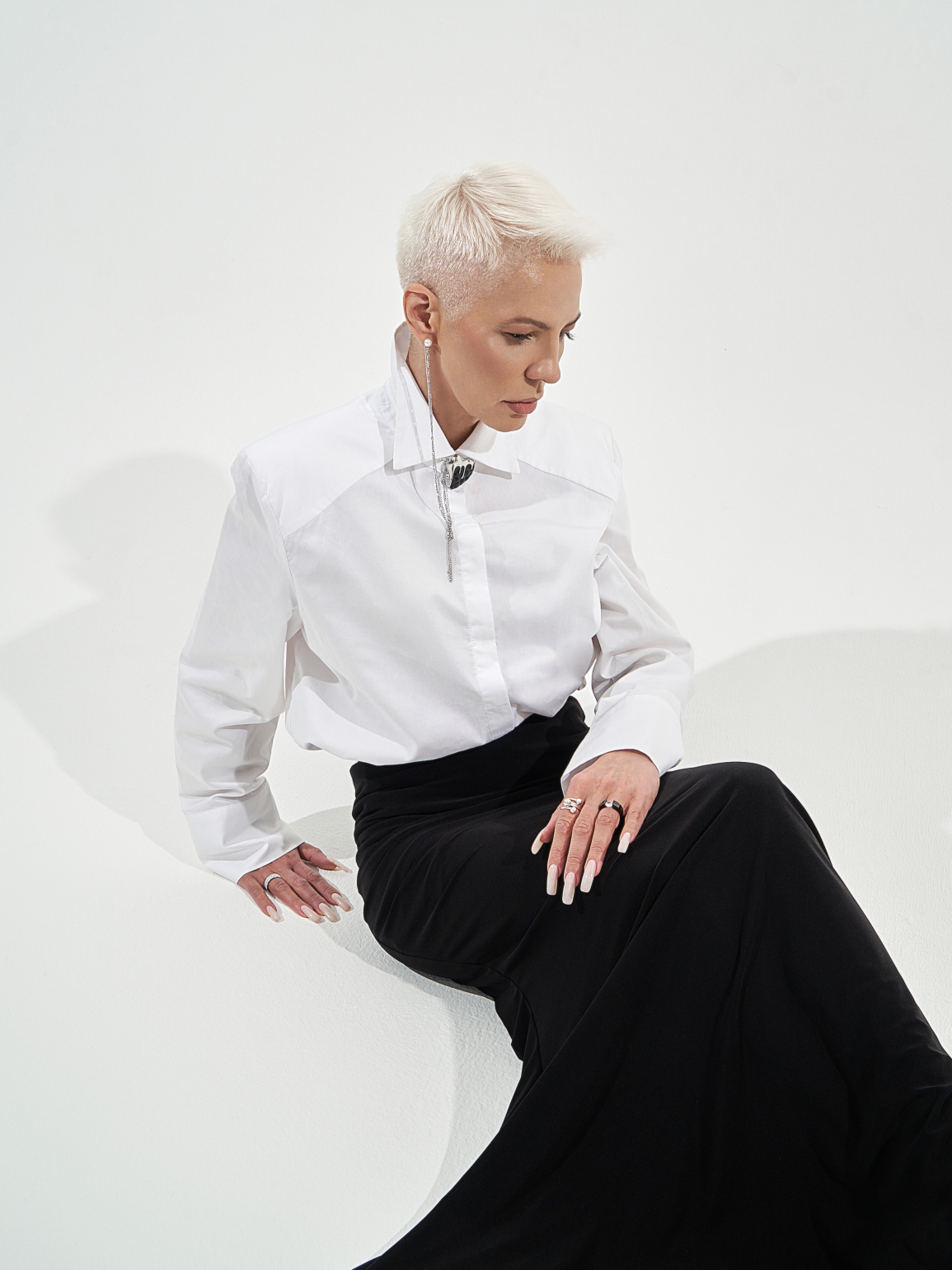
The professional world she moves through demands flexibility. Creative teams sometimes build concepts that challenge comfort zones. Skoral approaches these moments with a balance of assertiveness and trust. She has aversions, most notably, animal prints, that her stylists respect early in the process, but in most other aspects she embraces collaboration. This negotiation between personal identity and artistic direction is central to modern modeling, where authenticity is valued as much as adaptability.
Her approach to beauty reflects the same restrained clarity. While skincare innovations continue to multiply across the industry with global sales projected to reach nearly 200 billion USD by 2026, Skoral remains faithful to one simple ritual: temperature contrast. Ice and hot water for the face, contrast showers for the body. In a landscape saturated with elaborate routines, her method feels almost meditative, a reminder that beauty, too, can exist outside complexity.
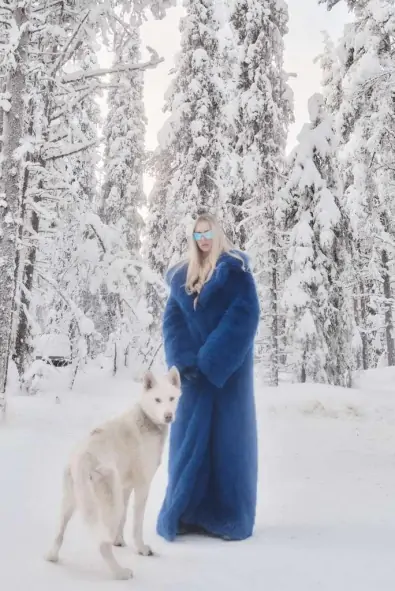
Even her camera roll reveals a sense of internal cohesion. Where some people document chaos, she documents color, specifically, blue. Recent images on her phone are filled with clothing and accessories in deep, calming shades. Blue is historically associated with tranquility, depth, and stability, qualities she gravitates toward in her current chapter. It’s not accidental; color psychology has reemerged as a significant tool in fashion and visual culture, shaping everything from runway palettes to branding strategies.
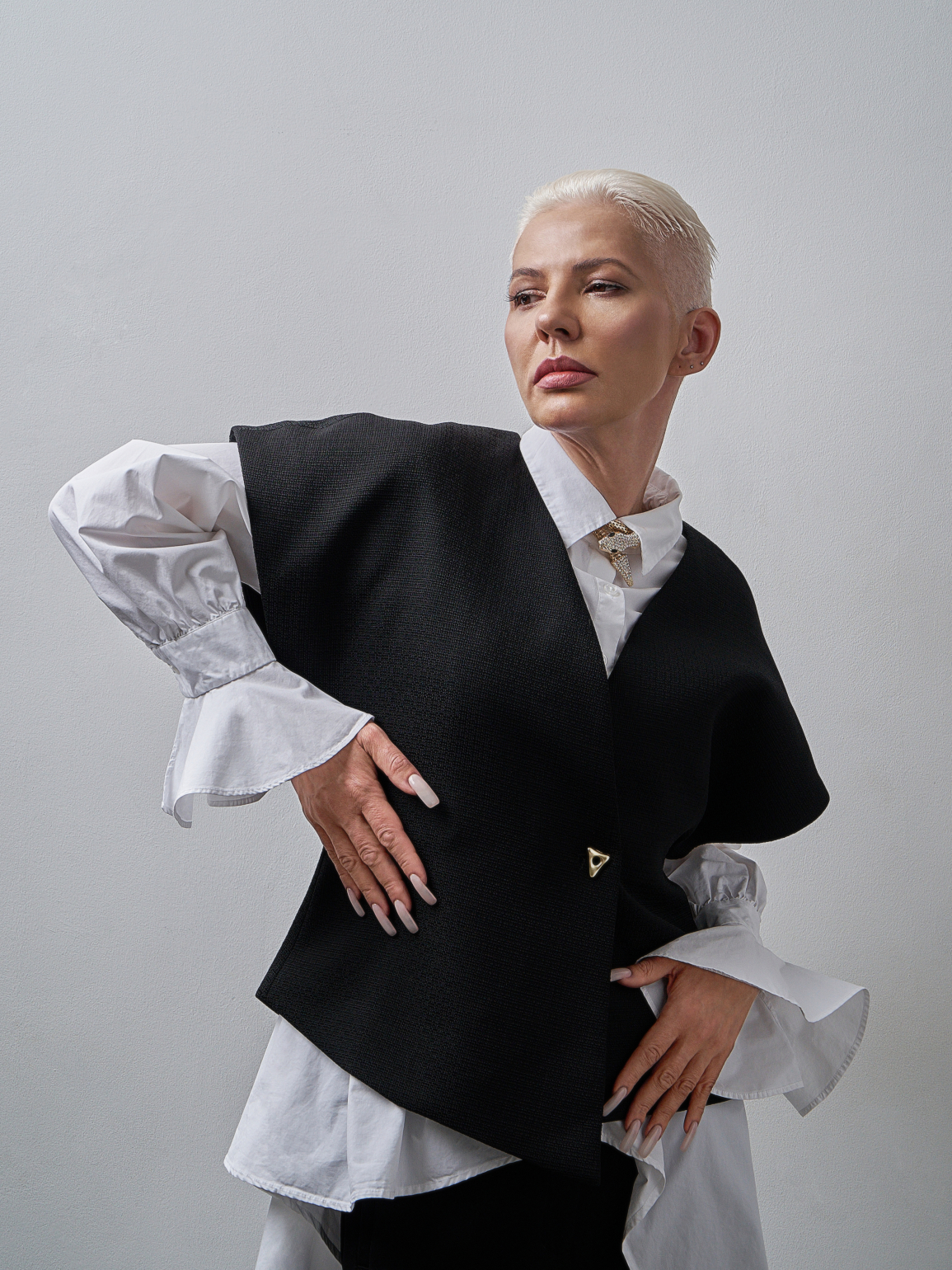
Travel, another defining element of her life, opens yet another dimension. Modern fashion leans heavily on global influence, but the experiences that change people often come from silence, not spectacle. Skoral recalls an old house on top of a mountain in Italy, surrounded by vineyards and open sky. “The beauty of silence,” she calls it a place where stepping away from everything made every problem feel solvable again. In an industry defined by movement, her reflection speaks to the growing emphasis on creative reset, on disconnecting to preserve both artistic and emotional clarity.
For those entering the fashion world, her advice resists cliché. Instead of pushing for perfection or adherence to a narrow mold, she encourages the opposite: making distinctiveness a signature. In an era when the industry is openly questioning long-standing beauty norms, her perspective aligns with the broader shift toward individuality, especially as agencies increasingly seek unconventional faces and identities. “We all have unique fingerprints, inner worlds, and appearances,” she says. “Don’t try to be like everyone else.”
In the end, fashion’s quietest truths often reveal themselves in the spaces between trends — the pause between seasons, the deliberate choice of a single color, the instinctive reach for the garment that simply feels right. Style becomes less about spectacle and more about the architecture of selfhood, shaped by the textures people trust, the memories they carry, and the worlds they choose to move through. It’s in this subtle dialogue between fabric and intention that the future of fashion continues to unfold.
Team Credits:
Producer: Olga Pokotilova
@Olgapokoti_lova
Model: Irina Alekseeva
@irina_skoral
Photo: Stasya Molchanova
@mol4anovas
Stylist : Irina Kozlova
@irina.kozlova.stylist
Muah: Bereznyatskaya Anastasia
@bereznyatskaya.mua