Haftalık E-Bülten
Moda dünyasında neler oluyor? Yeni fikirler, öne çıkan koleksiyonlar, en vogue trendler, ünlülerden güzelllik sırları ve en popüler partilerden haberdar olmak için haftalık e-bültenimize kaydolun.
Haftalık E-Bülten
Moda dünyasında neler oluyor? Yeni fikirler, öne çıkan koleksiyonlar, en vogue trendler, ünlülerden güzelllik sırları ve en popüler partilerden haberdar olmak için haftalık e-bültenimize kaydolun.
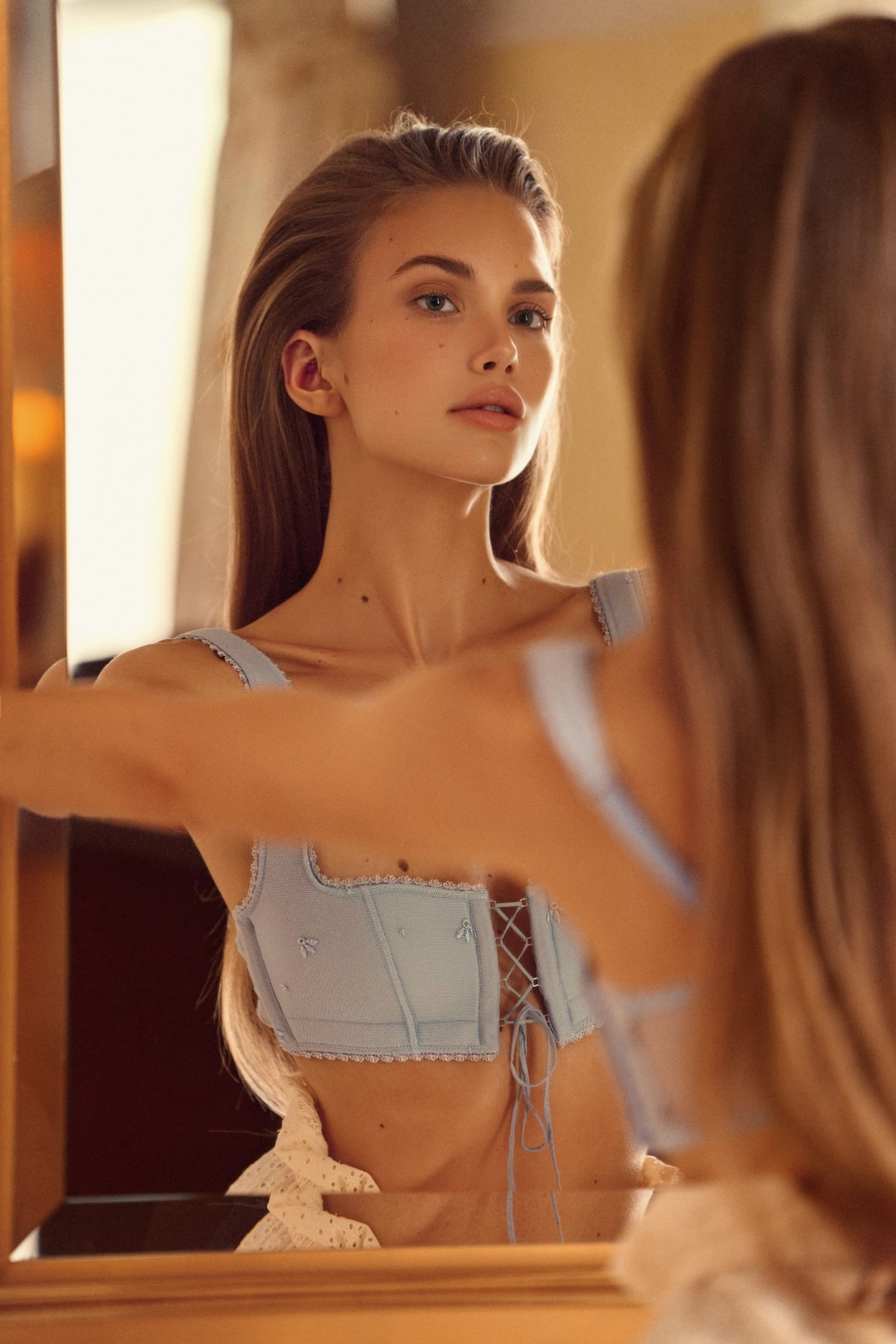
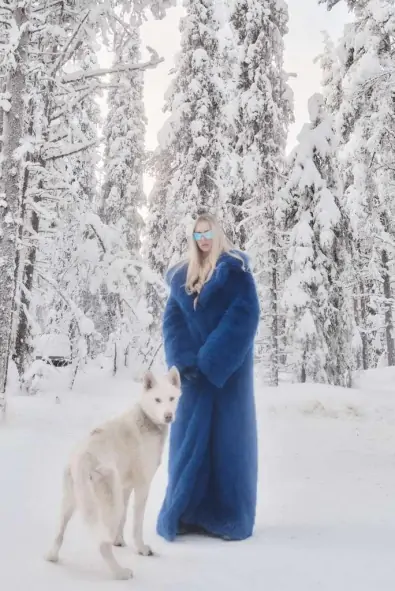
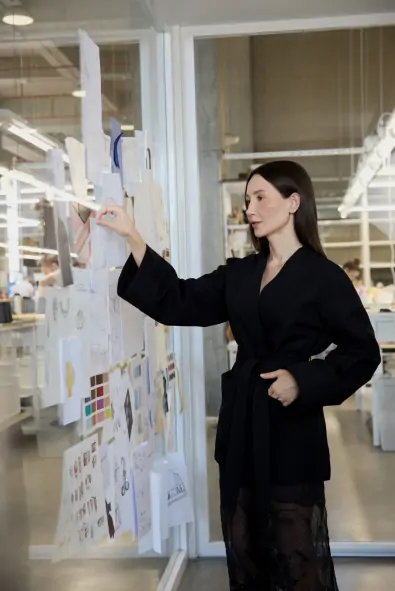
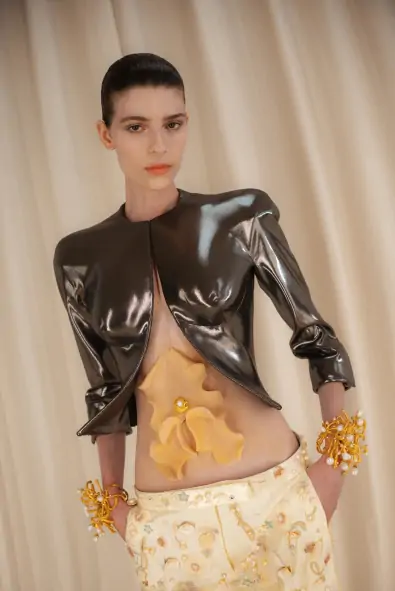
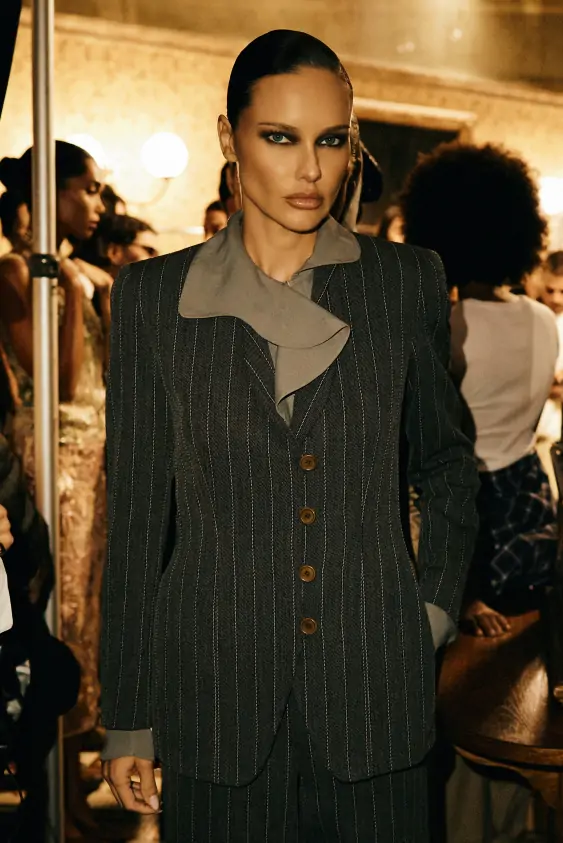
Arina Maksimova became the first petite top model to enter high fashion, an industry that had never been created for someone this short. Not because fashion was ready for change, but because she refused to accept rules that had never been questioned. Instead of seeing her size as a limitation, she began to see it as a position from which the system itself became visible, its assumptions, its boundaries, and its resistance to change.

Maksimova believes samples created decades ago continue to define what is considered “normal,” even though consumer needs and the understanding of diversity have completely changed. These standards were never designed to be timeless. They simply survived because it was easier not to replace them.

Arina says that over time, convenience turned into tradition. And tradition into something that felt untouchable. Questioning these rules began to sound like questioning creativity itself. Yet behind this carefully protected image stands a much simpler truth: changing the system would require effort, investment, and a willingness to redesign what has been profitable for too long.

For years, this approach has shaped how entire generations of girls learned to see themselves. Fashion did not only sell clothes, it quietly sold a single idea of what was worthy of being seen. What was presented as beauty slowly became a measure through which young women learned to judge their own reflection.
Today, she speaks openly about responsibility. The responsibility of brands, agencies, and media for how they shape self-perception, especially among younger generations. What appears on covers, banners, and runways does not stay on pages, it becomes part of how women consider their place in the world based on their height.

Arina points out that fashion often presents sustainability as a material issue rather than a design philosophy. Conversations often focus on organic fabrics and recycled packaging, but avoid the uncomfortable truth: a garment that doesn’t fit anyone is already unsustainable, regardless of how ethical the fabric is. Overproduction, waste, and endless returns are not accidents. They are symptoms of a system that refuses to work with reality.
In reflecting on what she would say to those shaping fashion’s future, Maksimova remains direct: fewer people should be asked to change themselves, and more systems should be asked to change their assumptions. Standards, she reminds, are not laws of nature. They are tools, and tools are meant to evolve.
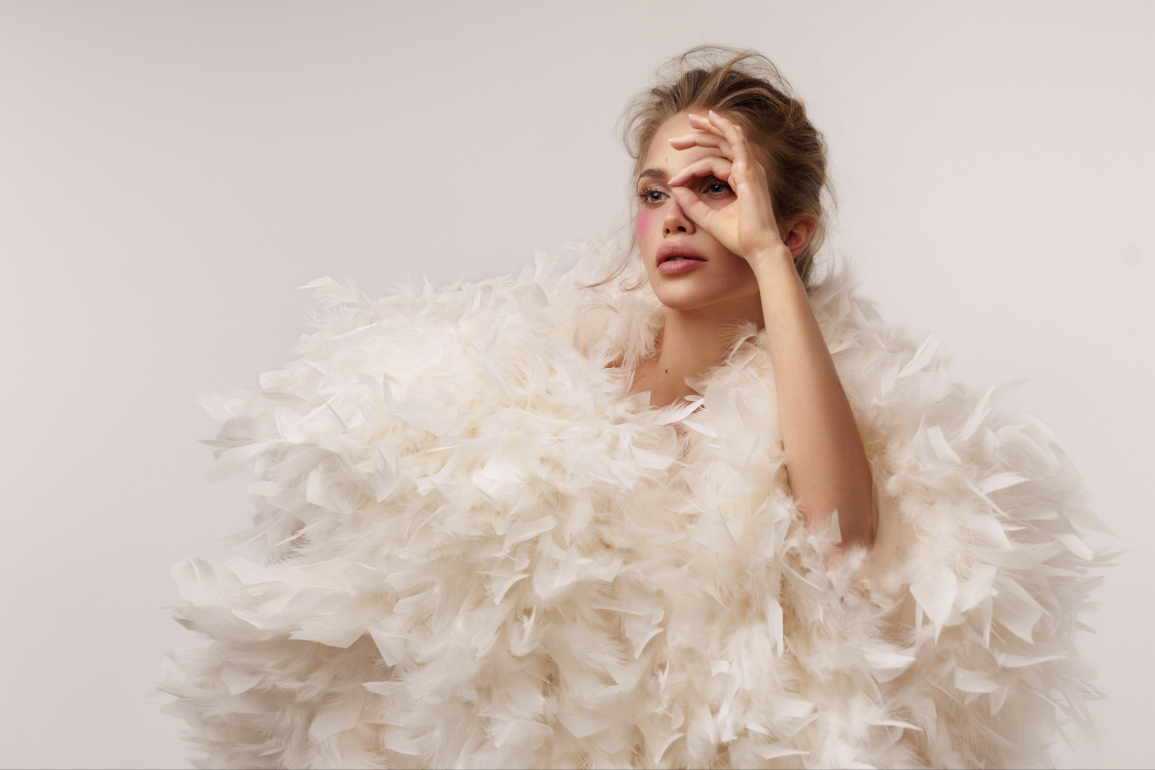
Looking back, she does not describe her path as a climb within a hierarchy, but as a shift in perception. There was a time when petite models simply did not exist in high fashion. What she changed was not the body, but the limits people believed in. And once those limits were questioned, what once seemed impossible revealed itself as simply untested.

Model: Arina Maksimova @arina.maks
Photographer: Nika Orlova @orlovaphotographer
Make-up and hair for pictures with white coat Valentyna Pushkarenko @valentyna_pushkarenko
Make-up and hair for the rest of the pictures: Cherepania Oksana @otosanta