Haftalık E-Bülten
Moda dünyasında neler oluyor? Yeni fikirler, öne çıkan koleksiyonlar, en vogue trendler, ünlülerden güzelllik sırları ve en popüler partilerden haberdar olmak için haftalık e-bültenimize kaydolun.
Haftalık E-Bülten
Moda dünyasında neler oluyor? Yeni fikirler, öne çıkan koleksiyonlar, en vogue trendler, ünlülerden güzelllik sırları ve en popüler partilerden haberdar olmak için haftalık e-bültenimize kaydolun.
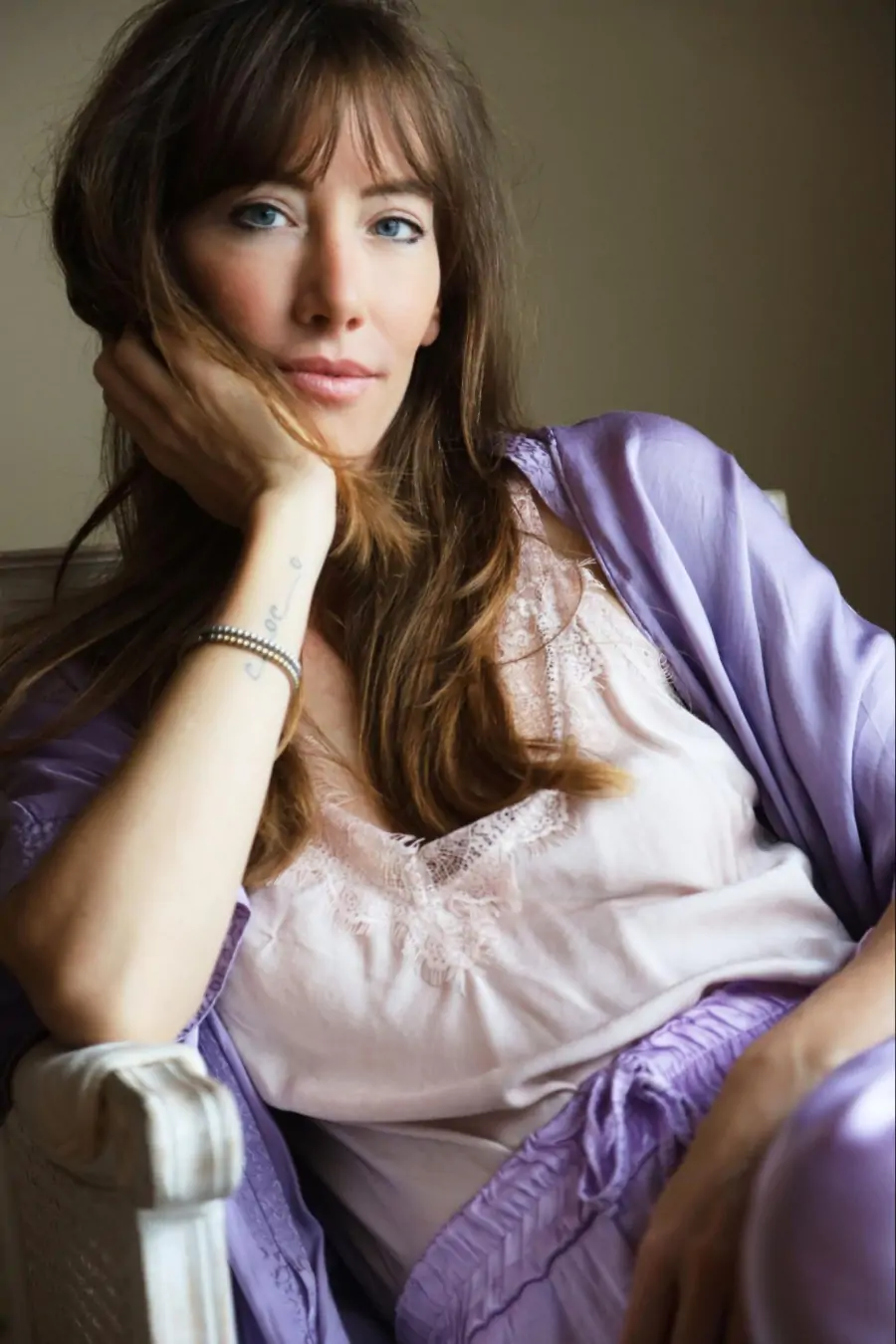
Pia Isabel, a former international model turned consciousness coach, reflects on the morning a magazine feature taught her everything fame couldn’t — and the life she has built in its place.
There is a particular kind of silence that follows getting exactly what you wanted.
Pia Isabel remembers it precisely — she was seventeen, and the mail had just arrived. Inside was a fashion magazine featuring one of her latest modeling campaigns. It was the moment she’d been dreaming of since she first stepped in front of a camera: proof, in glossy print, that she had arrived.
“I remember sitting there, looking at the image, expecting to feel transformed,” she says now, years and continents away from that afternoon. “But nothing inside me had changed. I wasn’t happier. I wasn’t more complete. I wasn’t more valuable than I had been the day before. I was still me.”
It’s the kind of admission that could sound like false modesty coming from someone else. From Pia, it sounds like the opening line of a much longer story — because it was.
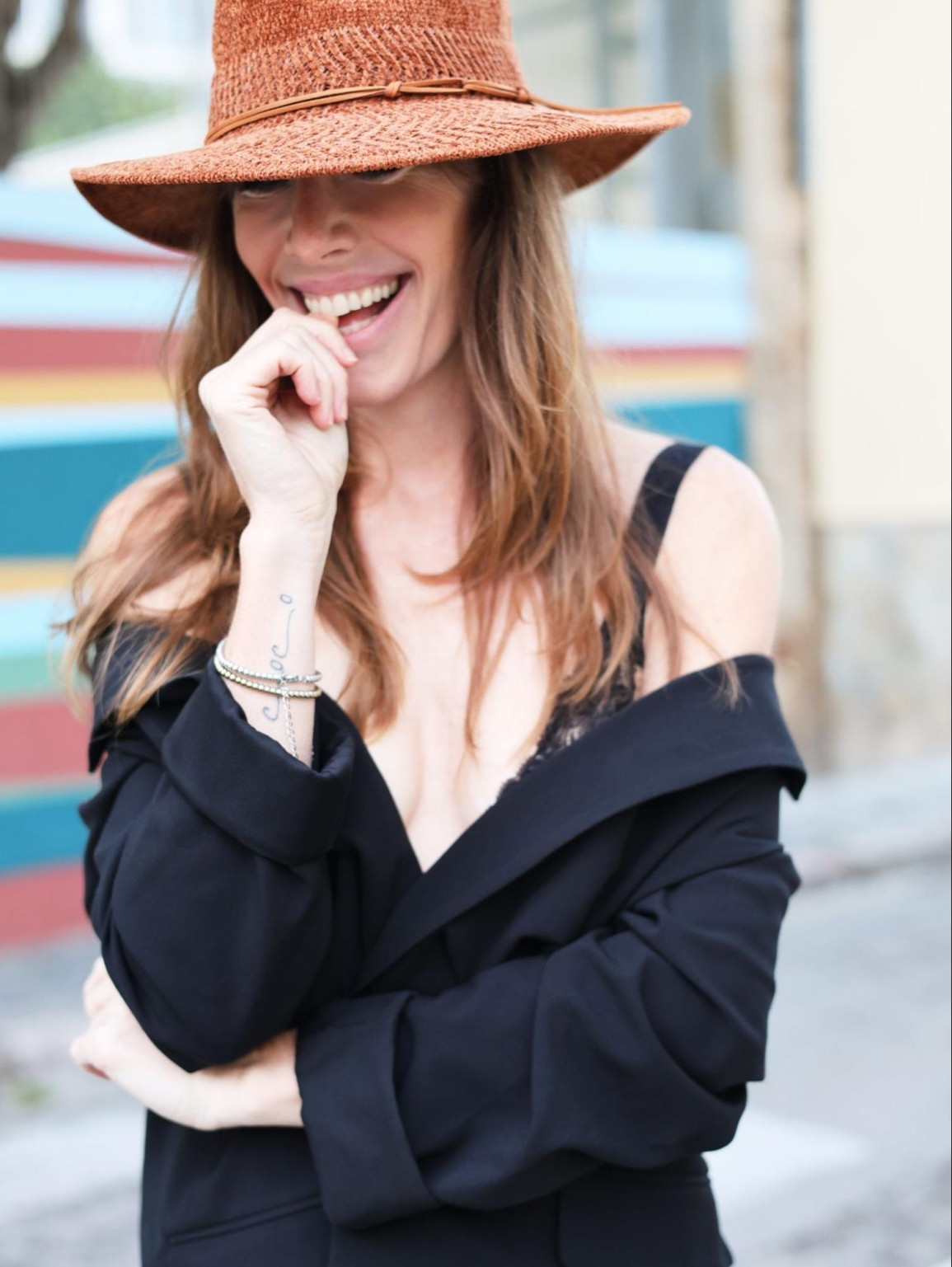
What makes this anecdote more than a pleasant humility is the timing. A year before that cover landed in her mailbox, Pia had already begun meditating. At sixteen, she was having what she describes as moments of profound inner peace — instances where the sense of “self” seemed to dissolve, replaced by something she can only call connection to something larger. Those quiet, private experiences, she says, moved her far more deeply than any magazine cover ever could.
So when the applause of the fashion world arrived right on schedule, she had already tasted something the applause couldn’t touch. It didn’t make her reject the industry. It made her curious about it — about why one thing could look like everything and feel so little, while another thing, invisible to anyone watching, could feel like everything at once.
That question would end up defining the next twenty years of her life.
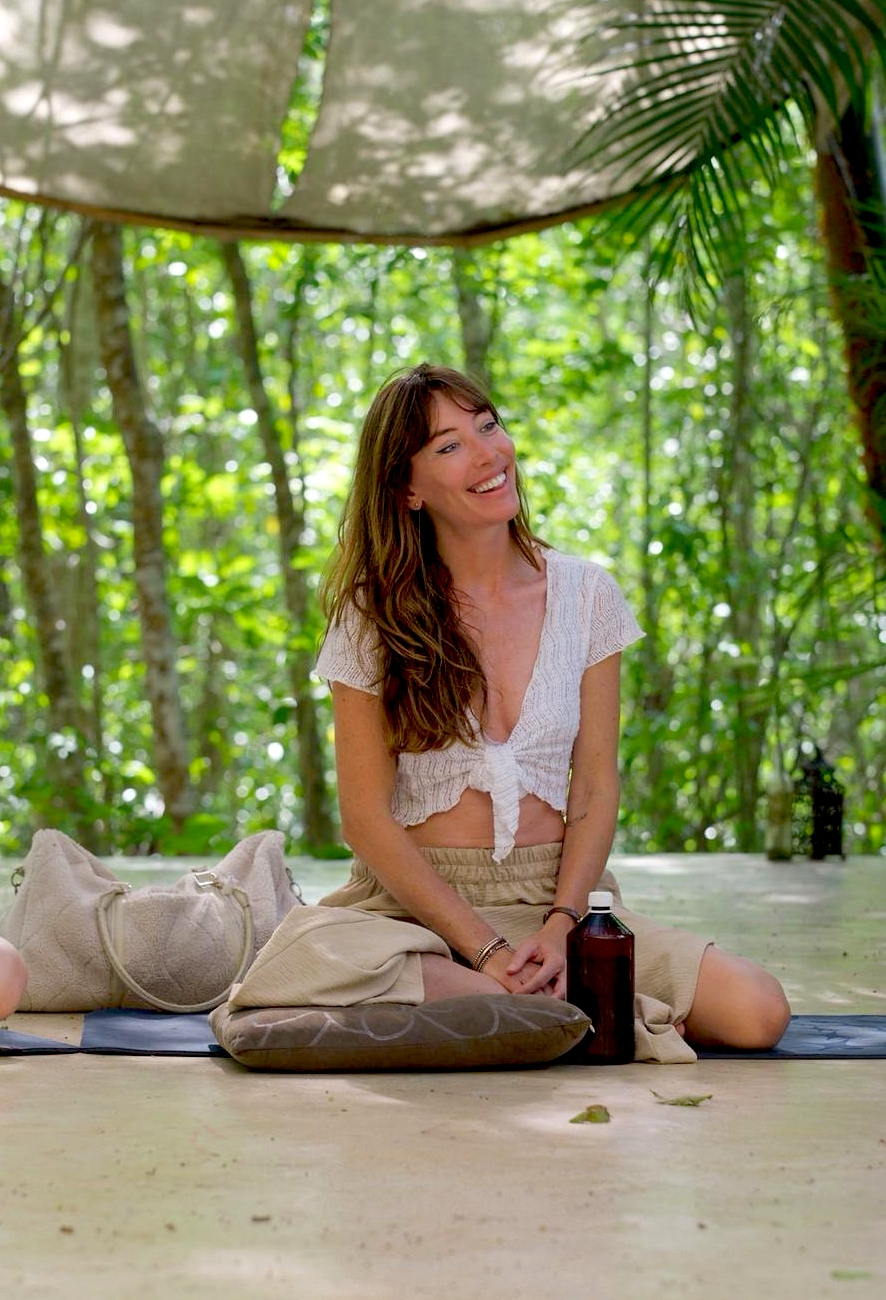
To be clear, Pia isn’t interested in dismissing beauty. She walked international runways for years alongside names that don’t need introduction, and she describes that chapter. “I loved every minute of it,” she says. “Modeling fulfilled my artistic side. It allowed me to travel the world, meet fascinating people, and immerse myself in creativity and beauty.”
She still loves beauty. She simply refuses to let it stay superficial.
“To me, beauty is a form of harmony,” she explains. “Harmony brings peace. Peace creates inner orientation. I don’t believe caring about our appearance is superficial — I experience it as an expression of balance, both externally and internally. Taking care of the outer self can nourish the soul, just as caring for the soul naturally radiates outward. The relationship goes both ways.”
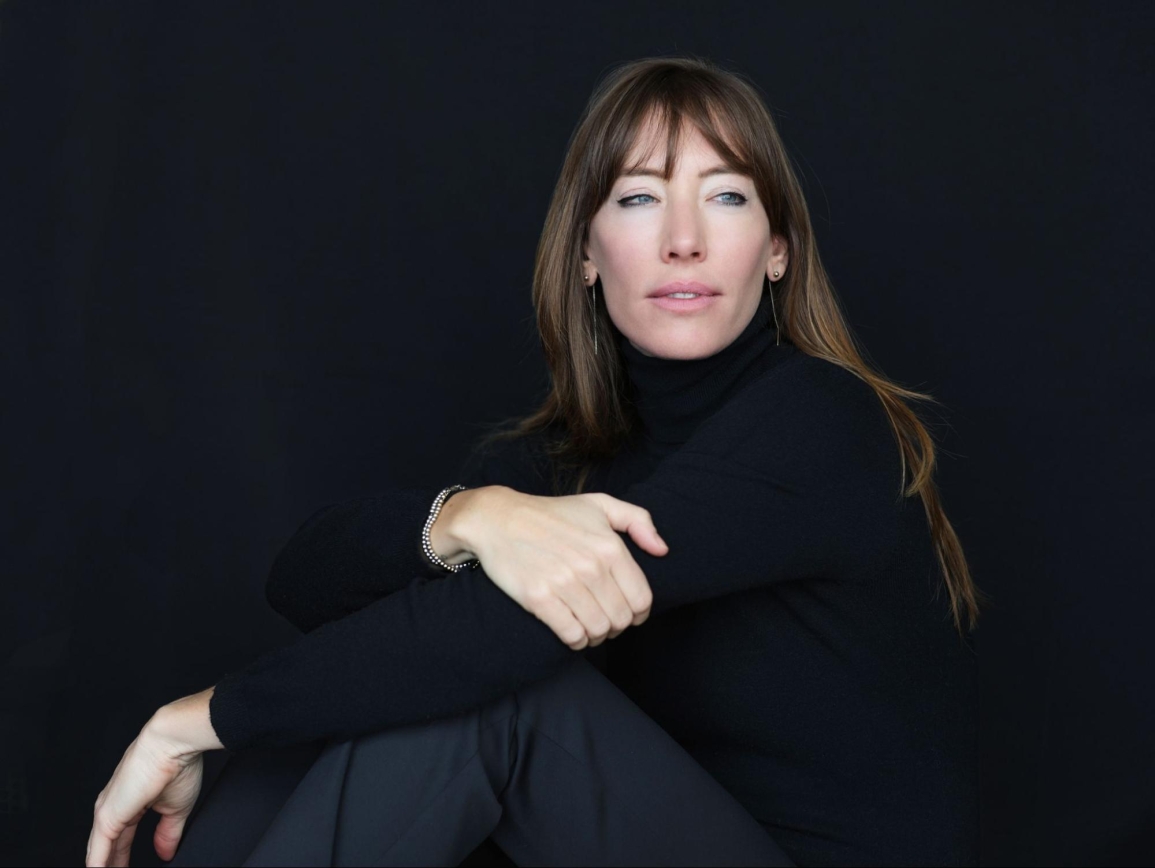
It’s a philosophy that lets her hold two truths at once: that the runway was real, and that it was never going to be the whole answer. Modeling lets her fulfill her external dreams — and, in doing so, discover their limits. “Living in both worlds allowed me to feel the subtle difference between external achievement and inner fulfillment,” she says. “I don’t see my modeling career as separate from my work today. It prepared me to understand both worlds — the world of appearance and the world of essence.”
Both matter, she insists. But if forced to choose where lasting fulfillment actually lives, she doesn’t hesitate: it’s in the place where a person remembers that everything they’ve been searching for was already inside them.
It was in meditation, in altered states of consciousness, in flashes of intuitive knowing and the occasional dream that arrived before its time, that Pia says she felt most fully alive. Not backstage. Not under lights.
“That was when I knew: this is why I came here,” she says simply.
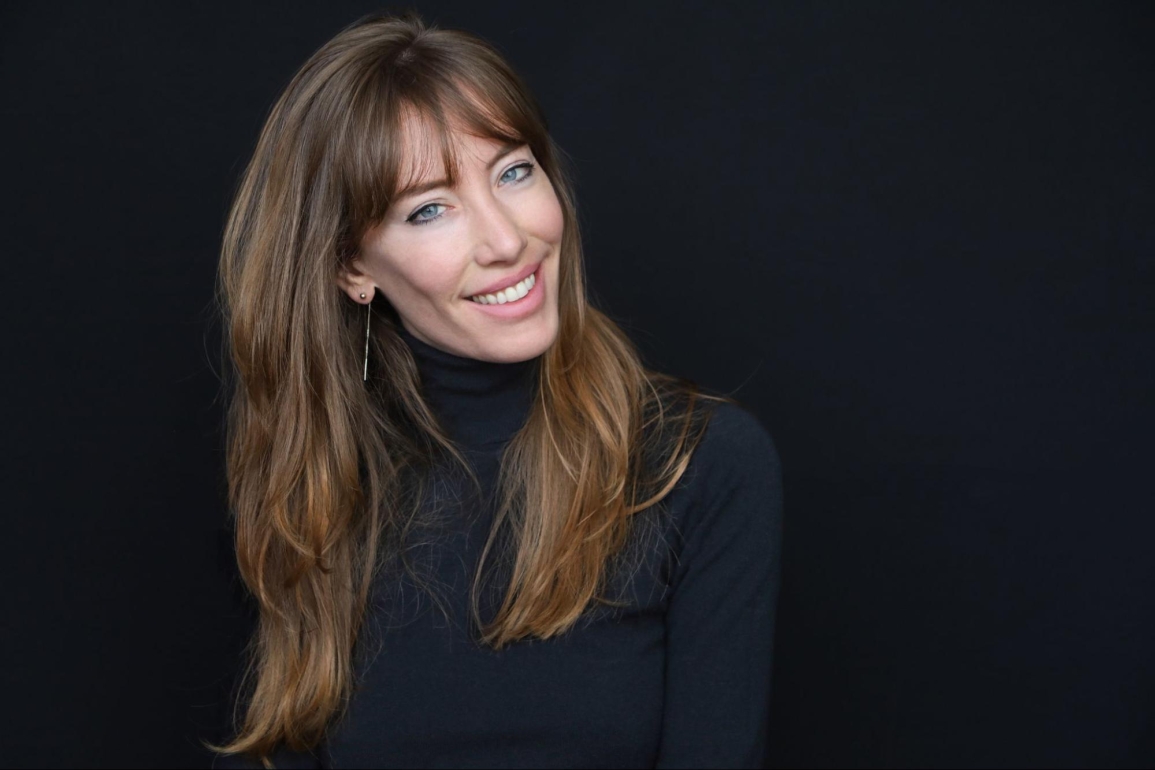
What captivates her today isn’t recognition — it’s watching someone else remember who they are. She describes it almost like witnessing a small miracle on repeat: a person setting down years of fear, of limiting belief, of emotional weight they’d carried so long they’d stopped noticing it, and stepping instead into something lighter. “They stop fighting life and start playing with it,” she says.
This is where her guiding idea takes shape — that everyone is, in some sense, invited to become children again. “Not childish,” she clarifies, “but childlike. Curious. Wonder-filled. Open. Playful. Fully alive. And at the same time, deeply responsible for ourselves and our contribution to the world.”
It sounds almost paradoxical — lightness and responsibility in the same breath — until you understand how she actually works.
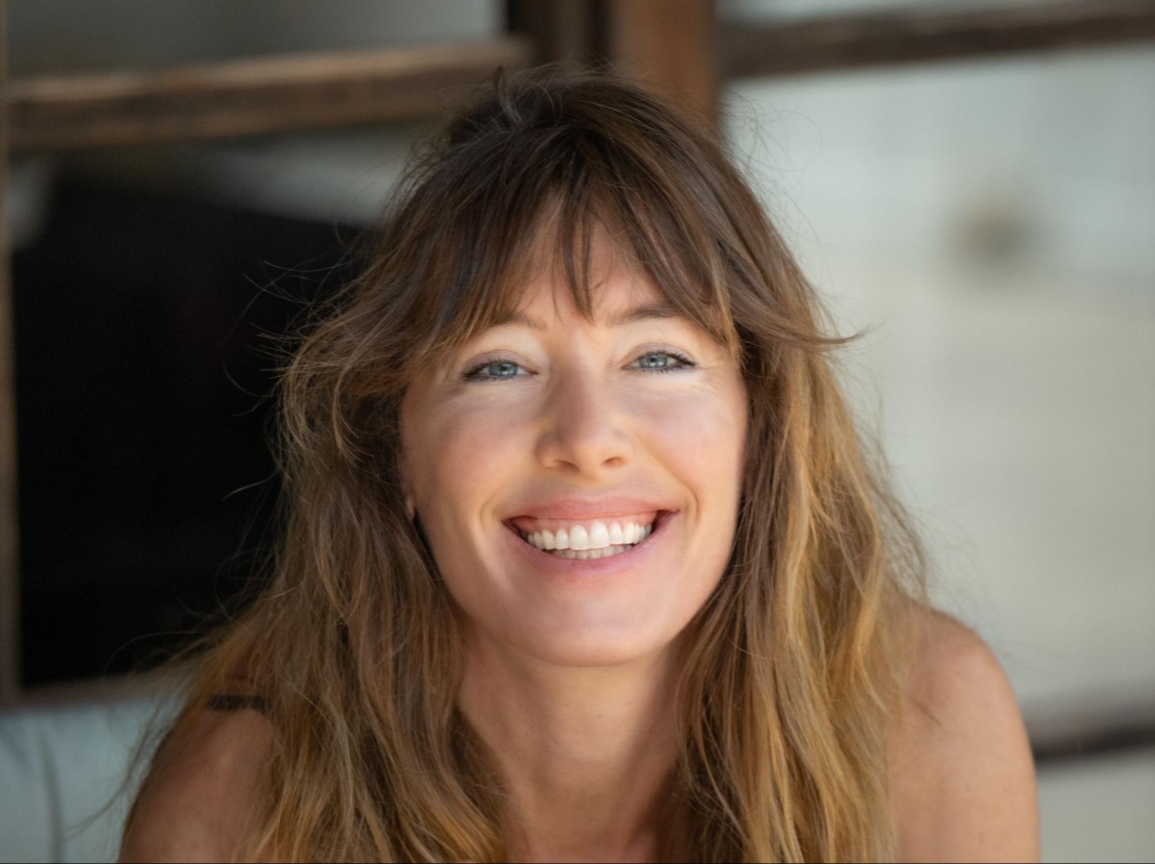
Ask Pia what sets her apart in a crowded field of coaches, healers, and self-appointed gurus, and she doesn’t reach for credentials. She reaches for a mood.
“One of the qualities that defines my work is lightness,” she says. “People often assume that deep transformation has to be serious, heavy, or emotionally exhausting. My experience has been the opposite. Some of the most profound breakthroughs happen in moments of laughter, playfulness, and unexpected humor.”
That doesn’t mean she takes pain lightly, quite the opposite. She honors every story that comes to her. But she has learned, over years of sitting across from people in various states of unravelling, that suffering often gets heavier the more heaviness we bring to it.
“Sometimes a smile opens the heart where analysis cannot. Sometimes laughter dissolves what years of effort could not.”
There is no fixed method in her approach, no fourteen-step framework printed on a worksheet. “Every person carries a different rhythm, a different language, a different doorway to transformation,” she says. “My role is not to apply a fixed method but to sense what will reach that person’s essence most directly.” For some, that means silence. For others, a challenge. Some need to cry. Some, she says, simply need permission to laugh again — to remember that their natural state was already light and joyful, long before the world convinced them otherwise.
Humor, in her view, isn’t the opposite of depth — it’s one of its highest forms. “When we can smile at ourselves, recognize the beautiful irony of life, and stop taking our ego so seriously, something extraordinary happens: we become lighter, more present, more available to love,” she says. “Perhaps enlightenment is remembering how to play again.”
These days, Pia’s stage isn’t a catwalk — it’s a project she’s building from the ground up, currently taking shape from her base in Dubai. Alma Astoria, opening in spring 2027, is designed as a center for consciousness, leadership, and psychedelic-assisted transformation — a space, in her words, “where science, psychology, ancient wisdom, and innovation meet.”
Her thinking behind it is deliberate: transformation, she believes, is most powerful when it holds two things simultaneously — deeply individualized guidance, and the healing effect of community. Alma Astoria is built to hold both, offering bespoke one-on-one work alongside carefully curated group immersions.
The response, even before opening, has told her something. “We have already received a remarkable number of inquiries, particularly from Dubai,” she says. “Many people have expressed that they’ve been searching for exactly this kind of concept.” She calls it a confirmation that Alma Astoria answers a need that was already there, quietly waiting to be named.
Alongside it, she’s developing Wild Wisdom, a platform based in Mallorca and devoted to conscious relationships — helping men and women rebuild trust, polarity, and genuine partnership. “I believe that healing the relationship between the masculine and the feminine is one of the most important contributions we can make to the future of humanity,” she says. As a single mom navigating her own path through partnership and family, the subject isn’t abstract for her — it’s lived experience.
She’s also completing a book on psychedelic coaching, with hopes of helping establish professional standards for a field she describes as still very much in its formative years.
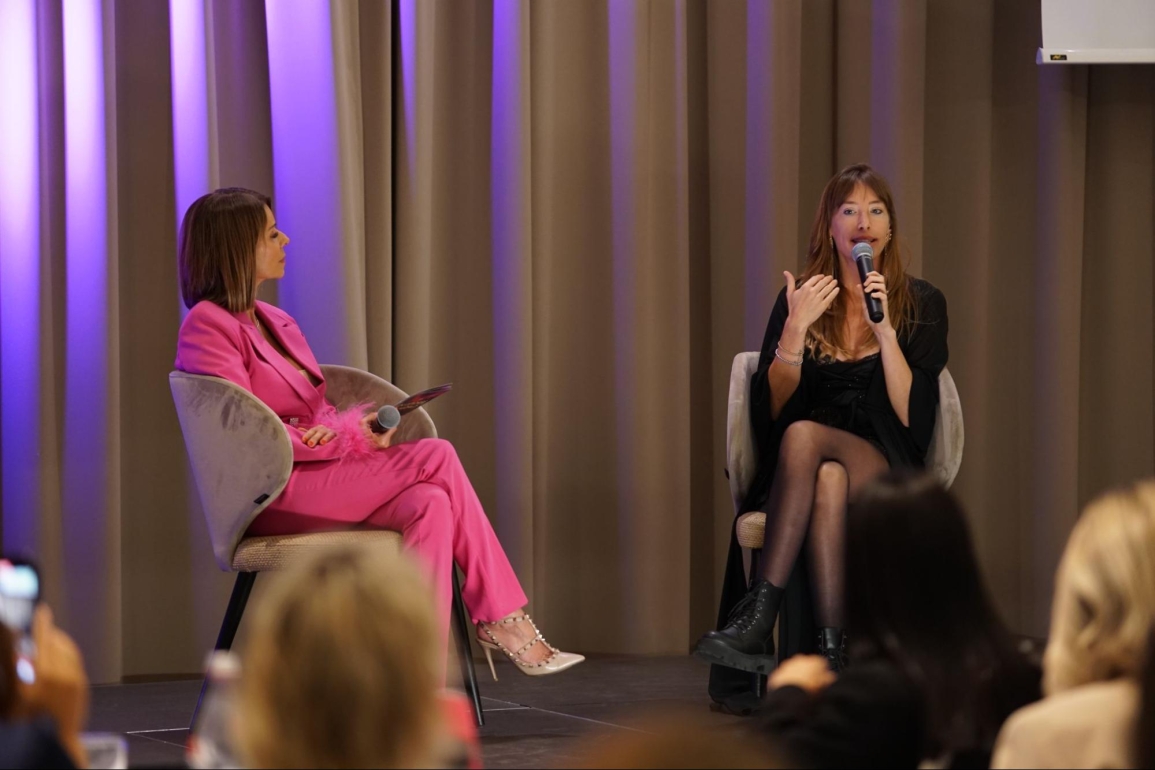
Ask Pia where she sees all of this in a decade, and she doesn’t talk about scale. “My dream is not to build the biggest organization,” she says. “It is to create work that continues to inspire, educate, and transform people long after I am gone. If future generations can build upon what my team and I have contributed, I will consider that my greatest success.”
It’s a long way from a seventeen-year-old staring at her own face on a magazine cover, waiting to feel different. But maybe it isn’t, really. That quiet, disorienting realization — that the image had changed nothing — was the first thread in a much longer unraveling. Everything since has been Pia pulling on it, following it inward, and building something real in the space that fame couldn’t fill.
The cover gave her the world’s attention. What came after gave her something the cover never could.
This article is for informational purposes only and does not substitute for professional medical advice. If you are seeking medical advice, diagnosis, or treatment, please consult a medical professional or healthcare provider.