Haftalık E-Bülten
Moda dünyasında neler oluyor? Yeni fikirler, öne çıkan koleksiyonlar, en vogue trendler, ünlülerden güzelllik sırları ve en popüler partilerden haberdar olmak için haftalık e-bültenimize kaydolun.
Haftalık E-Bülten
Moda dünyasında neler oluyor? Yeni fikirler, öne çıkan koleksiyonlar, en vogue trendler, ünlülerden güzelllik sırları ve en popüler partilerden haberdar olmak için haftalık e-bültenimize kaydolun.
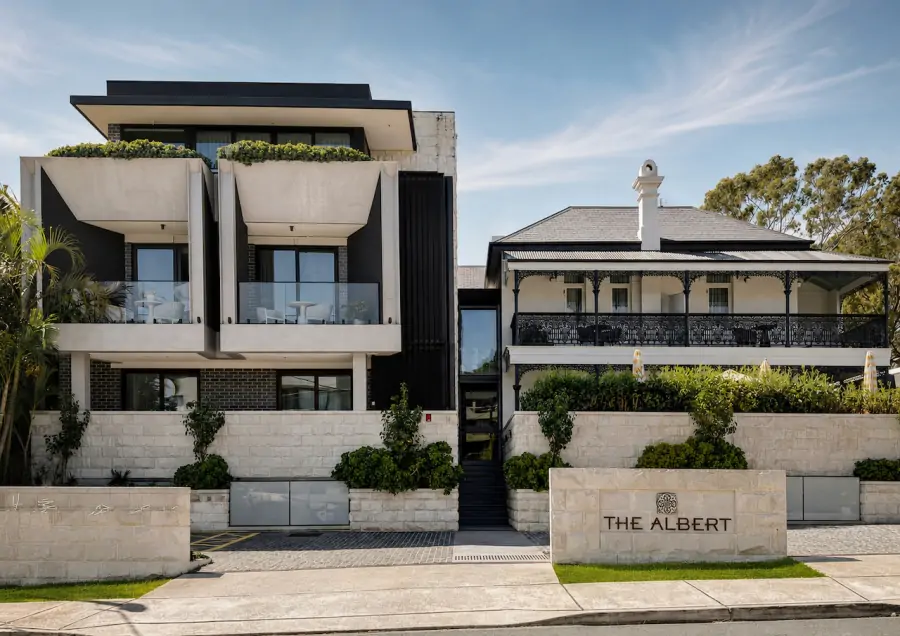
An 1886 residence in Mosman shows how careful restoration can preserve history while giving it a new life
Sydney has always remade itself in layers. It has everything from grand sandstone buildings, Victorian terraces, and ferry wharves. Its later towers all record different ambitions for the city. In Mosman, where harbor views meet residential streets, one restored house offers a smaller, more intimate version of the story. The Albert Mosman began as a stately home in 1886 and now operates as a family-owned boutique hotel.
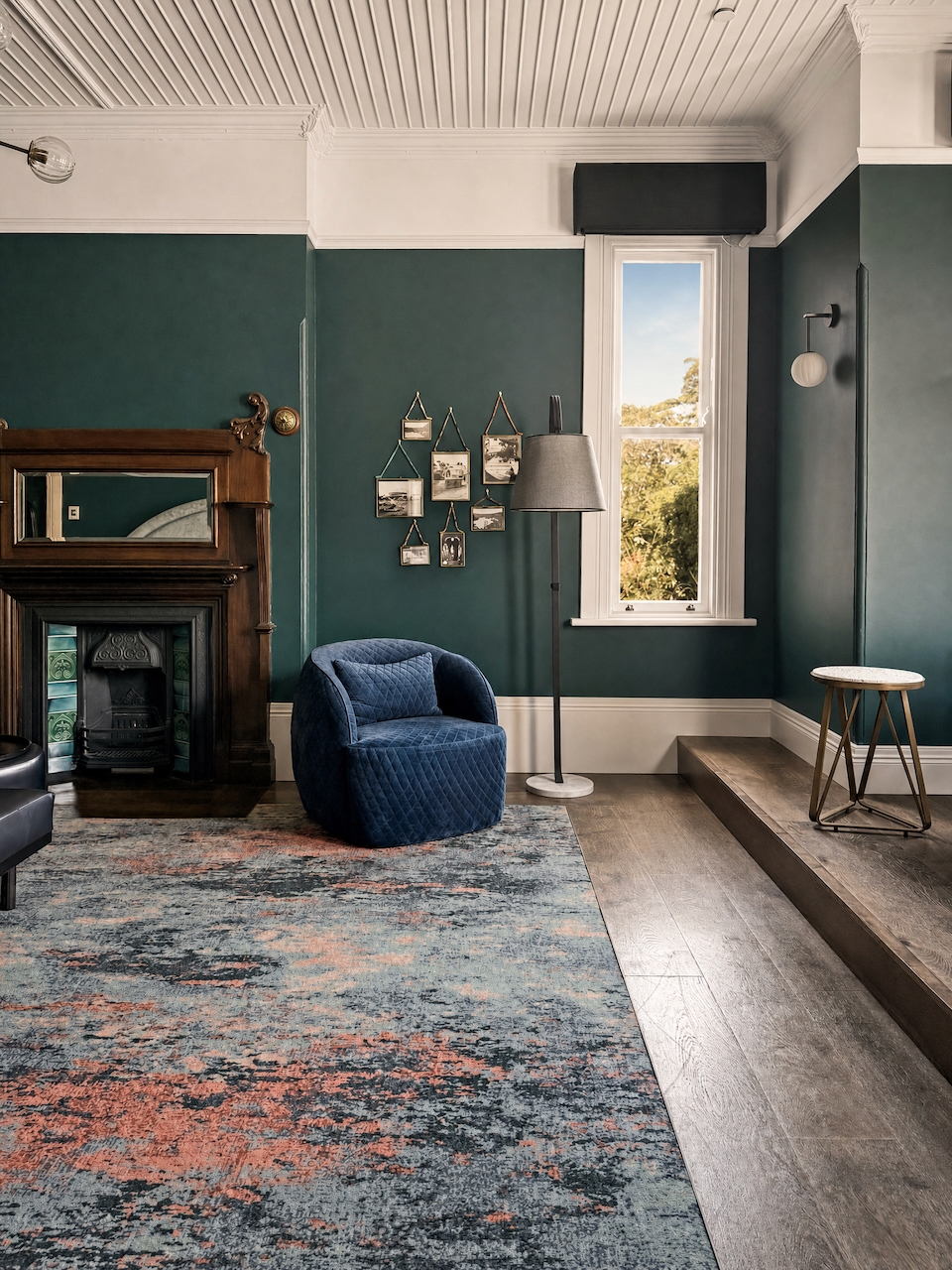
Photo: Kate Branch
Telopea was conceived during a period when Sydney’s suburban wealth was beginning to announce itself through architecture. Built in 1886 for James and John Kearey, the house formed a near-matching pair with the Boronia House next door.
Its Victorian filigree design brought ornaments into the everyday streetscape. The verandah, cast iron detailing, and central gable gave the residence presence without overwhelming the domestic scale of Mosman.
That elegance proved fragile. Successive occupants altered the interiors, office use replaced family life, and boarded balconies gradually erased the openness that once defined the building.
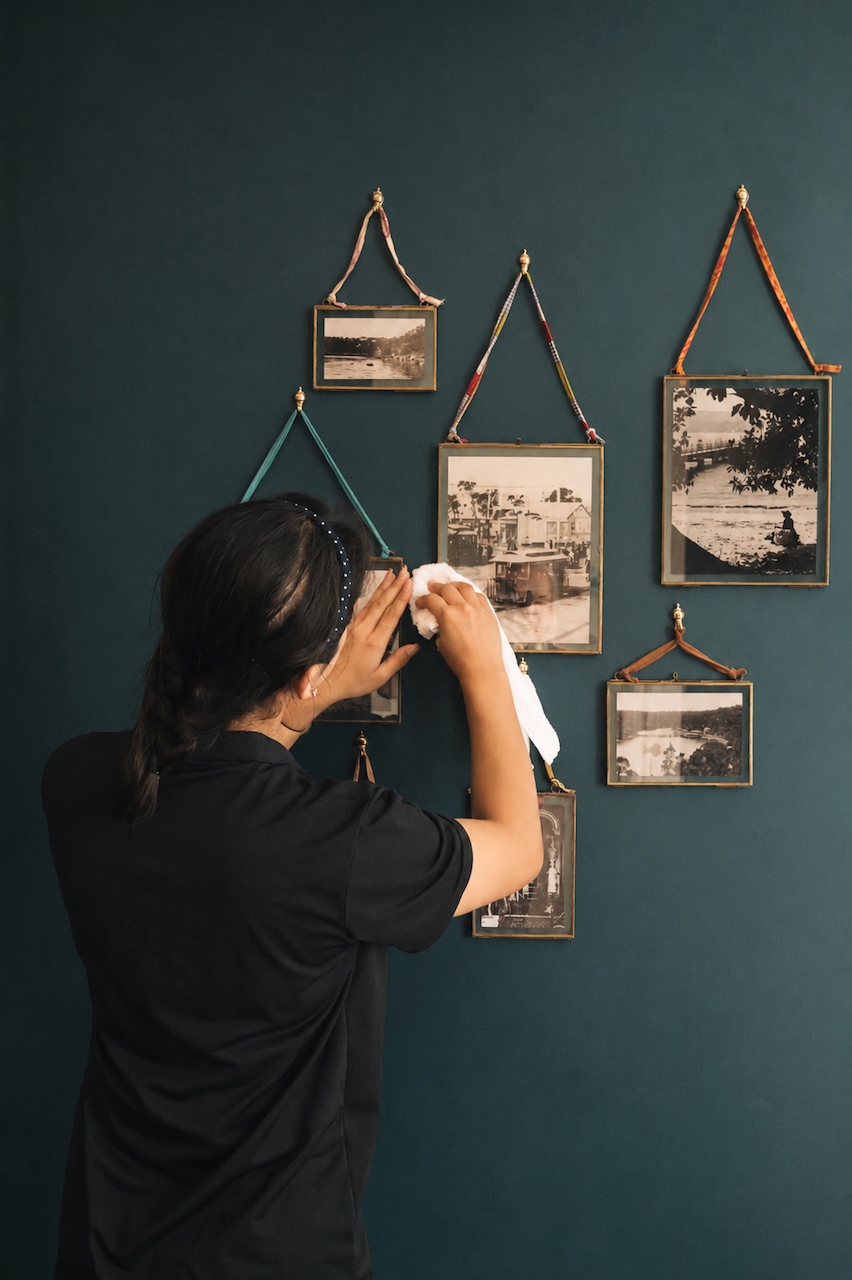
Photo: Kate Branch
The heritage restoration, led by Jean Claude Branch’s family, took two years. The work returned proportion and clarity to the exterior while preserving details that had survived beneath later alterations.
Restoration projects of this kind carry a particular responsibility. A building can be polished so thoroughly that its age disappears, or left so untouched that it becomes unusable. The Albert Mosman sits between those extremes, allowing the structure to retain its history while adapting to contemporary hospitality.
The hotel took its current name in honor of the owner’s grandfather, Albert Cramley, a Mosman resident remembered for his attachment to family and community. That choice gives the property a more personal lineage without feeling like a simple rebrand.
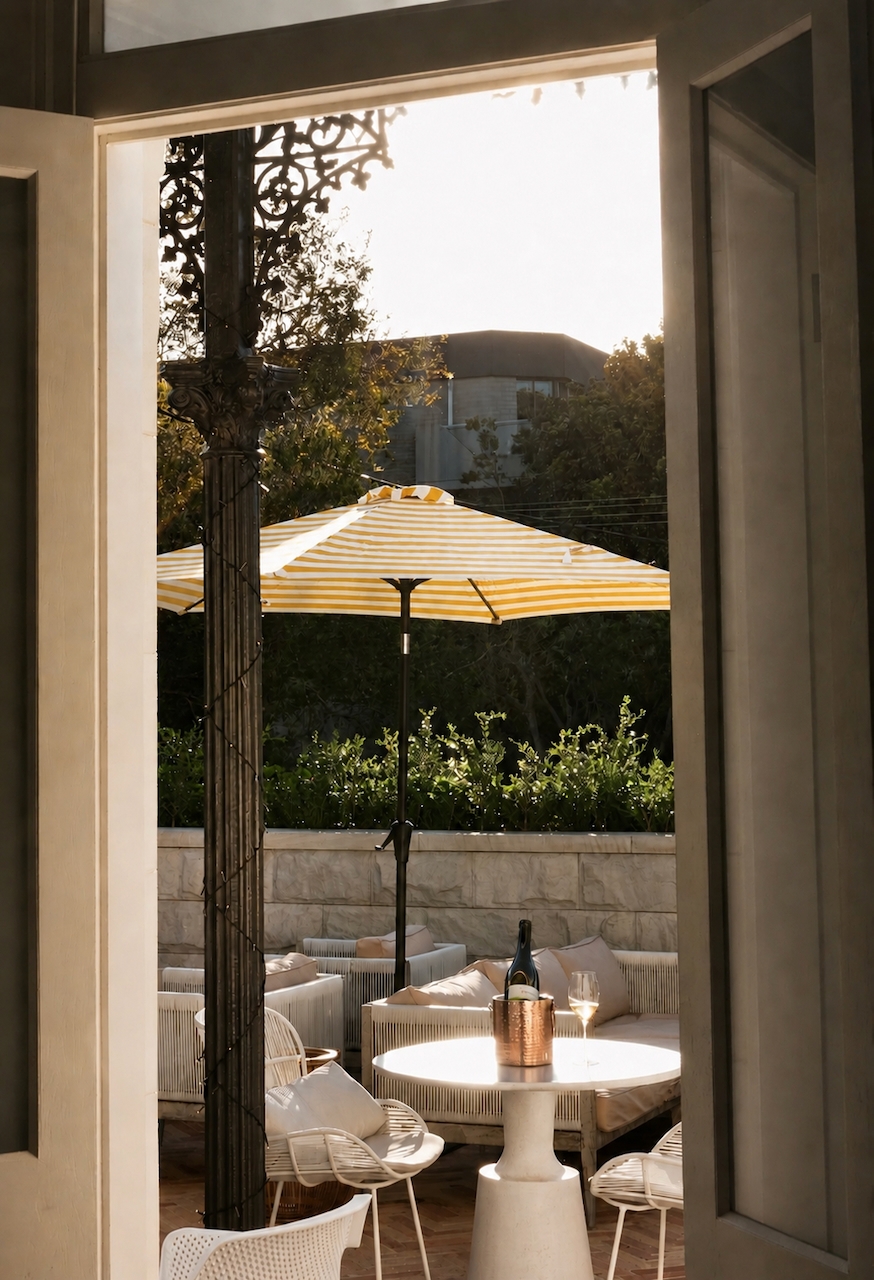
Photo: Kate Branch
Inside, the hotel contains 26 individually designed rooms. Their differences reflect the irregularities of a historic house, where the dimensions and layout give each room its own character.
A chef-cooked breakfast and the on-site bar bring a domestic feeling back into the building. The experience remains tied to place through its support for Australian vintners, farmers, and artisans, giving the restored house a relationship with the country beyond its architecture.
This form of quiet luxury depends on restraint. Original details carry much of the visual weight, while newer additions serve the building without competing with it.

Photo: Kate Branch
The hotel setting adds another layer to the story. The Mosman Art Gallery offers a connection to the suburb’s cultural life, while Balmoral Beach brings Sydney’s harbor identity close to the property.
The house remains closely tied to Mosman because the suburb has preserved much of the setting that first surrounded it. Historic residences still share the area with beaches, galleries, and the relaxed daily life of Sydney’s lower north shore.
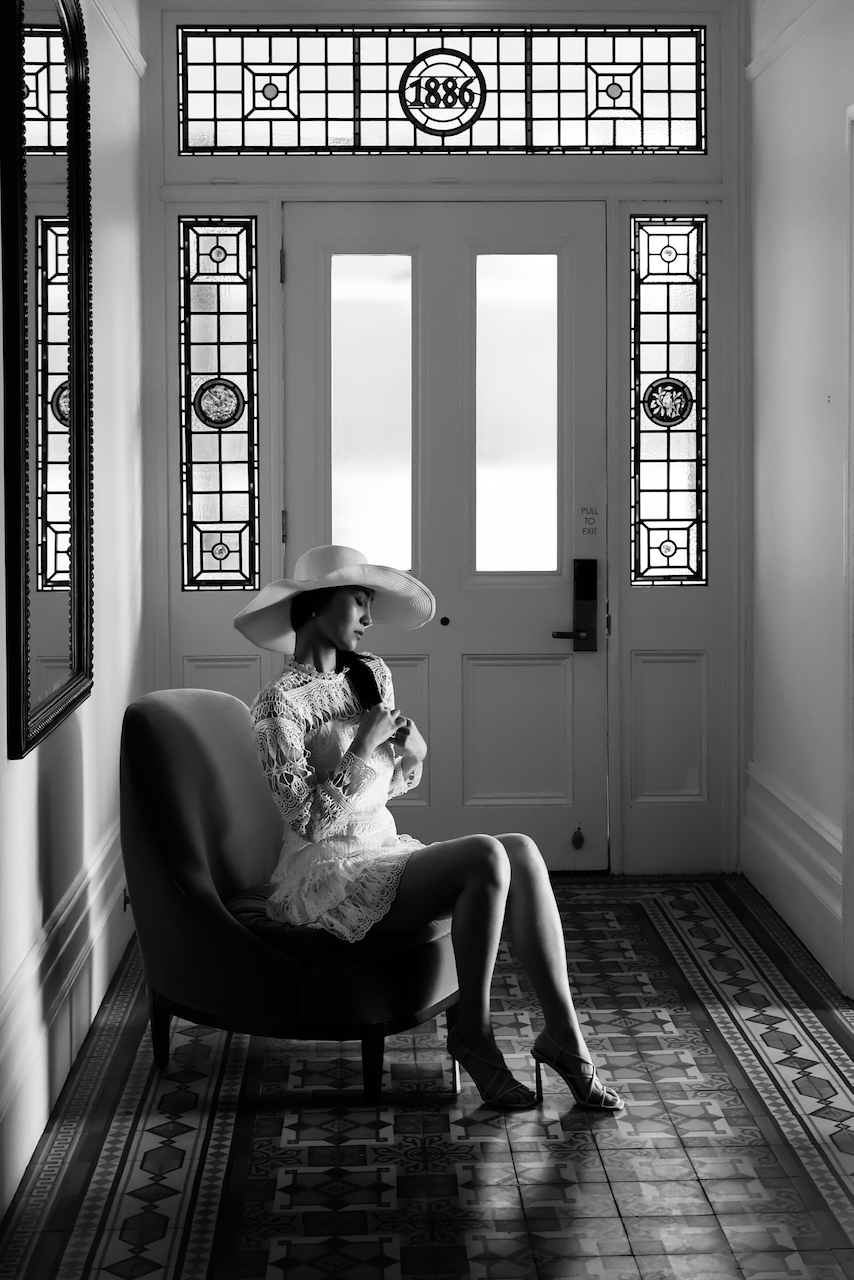
Photo: Kate Branch
February 2020 marked the property’s return as a hotel. Within weeks, the pandemic overturned the travel industry, leaving a newly restored business to face conditions no opening plan could have anticipated.
Its survival since then gives the building another layer of history. The property has already passed through private ownership, commercial use, decline, renewal, and a global crisis.
That sequence gives the hotel its deeper appeal. It stands as a reminder that preservation involves more than holding onto the past. Sometimes, it means finding a use that allows the past to keep living.